Hidden Places in Portugal Most Travellers Miss
Beyond Lisbon, Porto and the headline beaches, Portugal keeps a quieter country of stone villages, schist hamlets, river gorges and an Atlantic coast that thins out the moment the highway turns inland.
Portugal · Published April 2026 · 5 min read

Portugal is small on the map and much larger in person. Most visitors meet it through three or four well-known places — the tile-lit lanes of Alfama, the cellars of Vila Nova de Gaia, a stretch of Algarve cliff — and miss the country that begins about an hour inland from any of them.
What follows is a reading list of the corners of Portugal worth returning to: schist hamlets in the central mountains, walled granite villages along the Spanish border, an Atlantic coast that thins out the moment the highway turns inland, and a handful of islands where the weather still decides the day. It works as a long overview of the Hidden Places in Portugal hub, and as a starting point before the more specific guides linked through it.
Why hidden Portugal matters
Portugal absorbs travellers gracefully along a narrow corridor — Lisbon, Sintra, Évora, Porto, the central Algarve — and lets almost everywhere else keep its working rhythm. An hour off the A1 or the A22, the country becomes quieter, older, and noticeably less translated.
The places below are not secret. They are simply less visited. Many of them appear in our companion piece on Hidden Villages in Portugal That Still Feel Untouched.
Stone villages and mountain hamlets
The aldeias do xisto — the schist villages — sit folded into the Serra da Lousã and the Açor range in central Portugal. Talasnal and Piódão are the most photographed; smaller hamlets nearby keep the same dark slate walls and almost none of the traffic.
Further north and east, the aldeias históricas form a separate network of walled medieval villages built into the granite. Sortelha and Monsanto are the headline names — Monsanto's houses tuck under enormous boulders — and reward an overnight stay rather than a midday photograph.
Above them, the Serra da Estrela rises into the highest country in mainland Portugal: cheese-making villages, glacial valleys, and a thin air that quietly reorders the rest of the trip.
Wild coastlines beyond the obvious beaches
The Costa Vicentina runs north from Sagres up into the Alentejo as a protected stretch of cliff, dune and small fishing harbour. Odeceixe sits at its midpoint, with a river beach that empties at low tide; the small coves on either side carry almost no one outside July and August.
South of it, a quieter line of villages and coves continues into the western Algarve — a country we map in more detail in Quiet Places in the Algarve Away from the Crowds.
Further north, the granite headlands of the Minho and the long beaches of the Costa de Prata keep their working-village rhythm. For the islands at the edge of all this coastline, see our reading of Remote Islands in Portugal Worth the Journey.
Interior valleys, castles and quiet historic towns
Inland Alentejo is one of the least travelled regions in western Europe. Marvão clings to a granite ridge near the Spanish border, walled and almost vertical; Mértola sits above the Guadiana river with Moorish foundations still visible in its streets. Between them, cork oaks, white villages and Roman roads thread a slow, sparsely populated country, with a handful of restored montes and quintas among the secluded retreats in Portugal worth planning a trip around.
In the central interior, the Mondego and Zêzere valleys cut through quiet pine and oak forest with small thermal villages tucked along the way. The Côa valley further east keeps prehistoric rock art older than most things in any European museum.
Remote islands and Atlantic edges
Even on the mainland coast, small islands sit a short ferry from the shore. The Berlengas, an hour out from Peniche, are a granite reserve with one fort, a handful of fishermen's huts and almost no overnight beds.
Further out, the Azores keep some of the most affecting island country in Europe. Flores, on the western edge of the archipelago, is a vertical green island of waterfalls and crater lakes; São Jorge is a long basalt ridge of fajãs — flat coastal plains formed by old landslides — almost unchanged in a hundred years. We cover the wider archipelago in Remote Islands in Portugal Worth the Journey.
How to plan a hidden Portugal route
Hire a small car. Build the itinerary around two or three bases — a schist village in the central mountains, a walled town in the Alentejo interior, a quiet stretch of the Atlantic — rather than a new hotel every night. Allow ten to twelve days for a first trip, longer if you add an island week.
Aim for May, June, late September or the first half of October. Avoid August on the coast. Sundays in the interior are quiet, so plan meals and fuel accordingly, and carry cash for the smaller cafés and family-run guesthouses.
Where to stay nearby
Small pousadas in converted convents, restored schist or granite houses, and a handful of family-run country hotels carry these regions. A shortlist of the rooms worth planning a trip around lives in Unusual Hotels in Portugal Worth Planning a Trip Around.
What to combine with this guide
This piece works best as an overview. For deeper reading, pair it with the village-by-village notes in Hidden Villages in Portugal That Still Feel Untouched, the coast-by-coast detail in Quiet Places in the Algarve Away from the Crowds, the island routes in Remote Islands in Portugal Worth the Journey, the southern accommodation notes in Where to Stay in the Algarve, Away from the Resorts, and the accommodation shortlist in Unusual Hotels in Portugal Worth Planning a Trip Around.
For the wider regional reading list, the Hidden Places in Portugal hub gathers every Portuguese dispatch in one place.
The Unknown Atlas is independent. We do not accept payment for coverage — how we handle commercial links.
A practical layer
Planning this journey
- Where to stay
- Small guesthouses, restored village houses, pousadas, rural hotels, or unusual stays that fit the route.
- Best with
- A small hire car, especially for inland villages, coast roads, Alentejo, Serra da Estrela, and schist villages.
- Experiences nearby
- Guided walks, wine tastings, boat trips, local food experiences, small-group tours, or quiet cultural visits depending on the article.
- Useful add-ons
- Travel insurance, eSIM/data, offline maps, flexible ferry/flight planning, and enough cash for smaller villages.
Quiet planning notes — never a booking widget. See our disclosure.
Continue exploring
More from Hidden Places in Portugal
Hidden Places
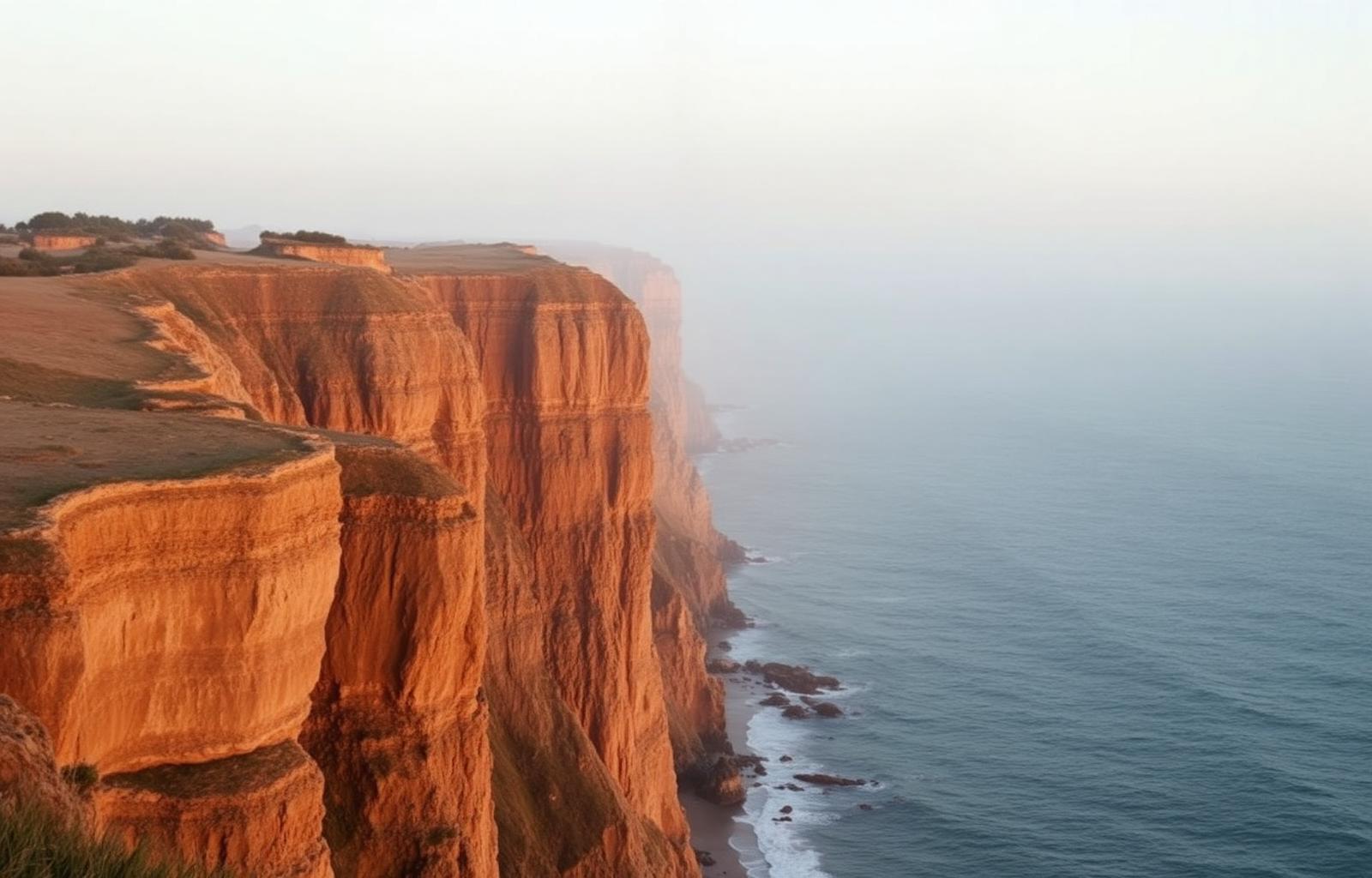
Where to Stay in the Algarve, Away from the Resorts
The Algarve most people book is thirty kilometres of resort coast. The Algarve worth staying in is everywhere else — and it is mostly farmhouses, converted outbuildings, and places with fewer than a dozen rooms.
Hidden Places
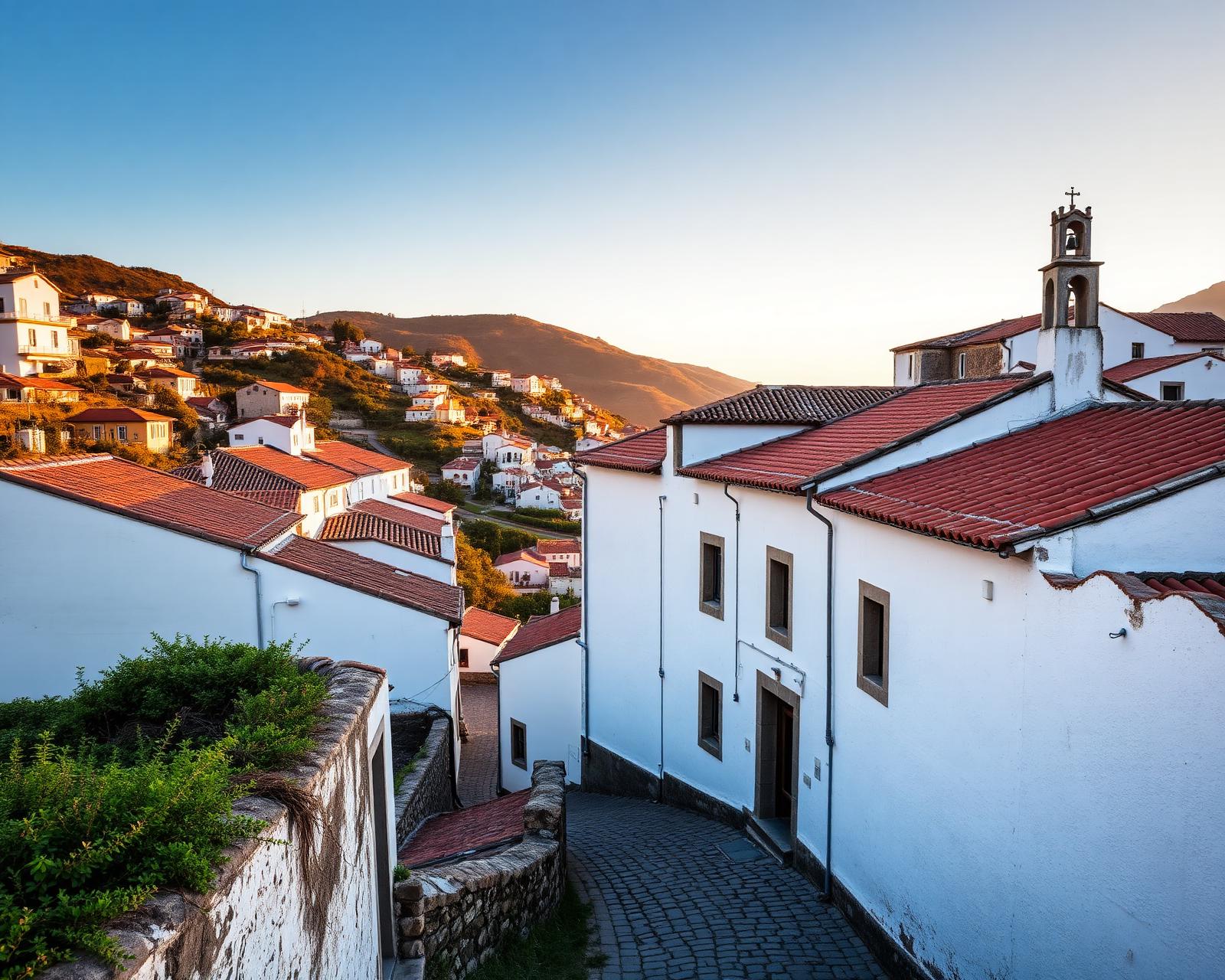
Secluded Retreats in Portugal
Portugal has an unusual amount of empty country for a small nation, and a habit of putting guests in buildings that were something else first. These are the places you cannot walk to a shop from.
Hidden Places
Hidden Villages in Portugal That Still Feel Untouched
Schist villages in the central hills, walled border towns, Alentejo white villages and inland Algarve squares — the small Portugal that has stayed itself.