Quiet Places in the Algarve Away from the Crowds
Inland villages, lagoon islands and the Algarve edge of the Costa Vicentina — a careful reading list of the quieter Algarve, twenty minutes off the resort road.
Algarve, Portugal · Published March 2026 · 12 min read
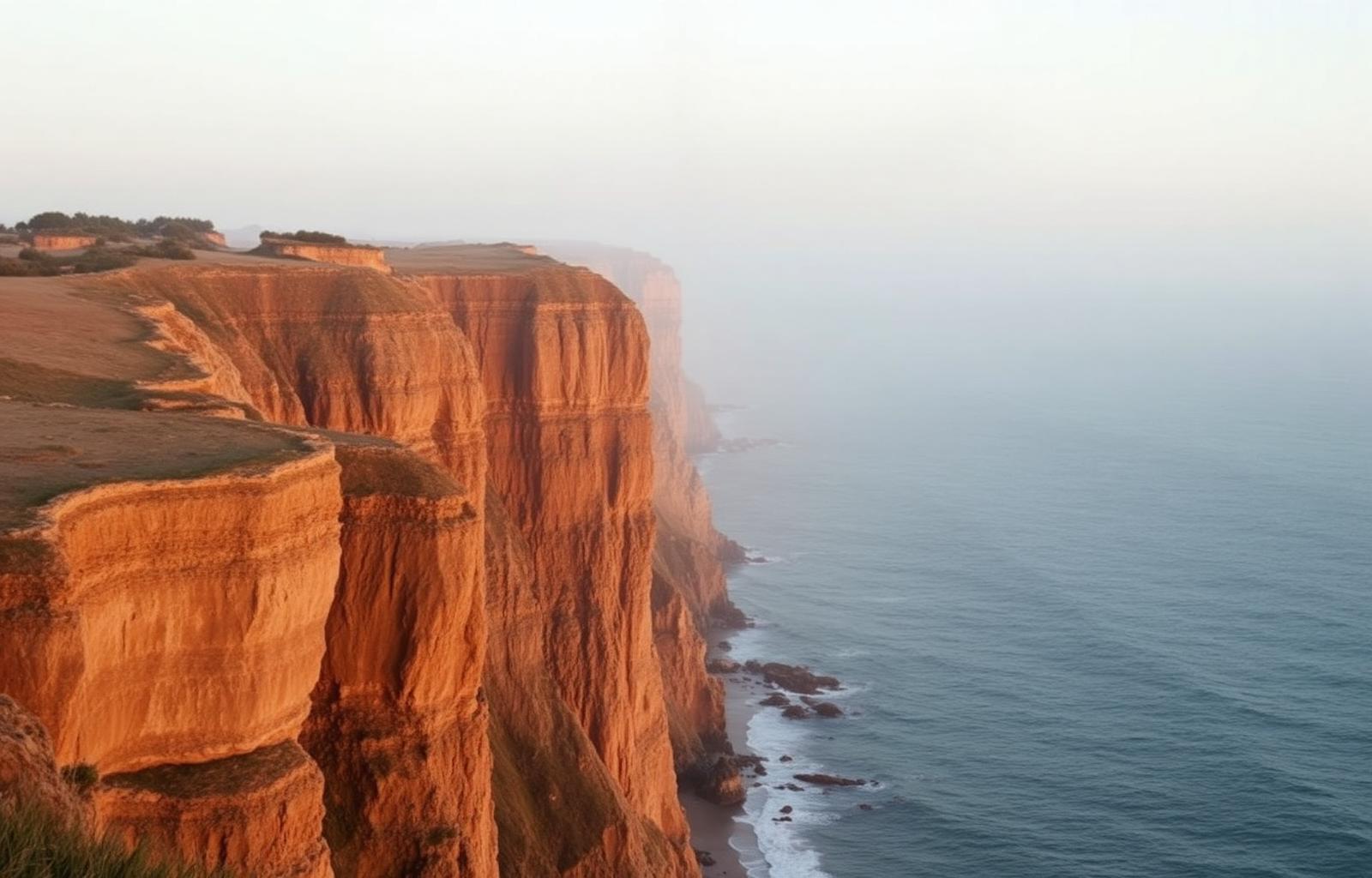
This is a guide to the quiet places in the Algarve — the villages, quieter bases and calm beaches away from the crowds that gather along the central resort strips between Albufeira, Vilamoura and Lagos. That busier Algarve is real, and in the right season it can be beautiful. It is not the whole region.
The quieter Algarve begins just off the obvious route. It is in the cork-oak hills behind Loulé, the white villages of the Serra do Caldeirão, the tidal islands of the Ria Formosa, and the Atlantic edge where the coast turns windier, emptier and more deliberate. Low-season travel — spring and autumn — makes almost all of it easier. This guide is for travellers who want that slower reading of southern Portugal: useful, practical, and still a little strange around the edges. For the wider context, see our hub on Hidden Places in Portugal.
Why the quiet Algarve still exists
The Algarve has not escaped travel; it has concentrated it. Most visitors stay close to the central beaches between Albufeira, Vilamoura, Portimão and Lagos, where the hotels, summer traffic and restaurant strips gather along a thin coastal band. Step inland, east toward the Spanish border, or west onto the Atlantic-facing coast, and the rhythm changes quickly.
Part of the reason is geography. The interior is hill country — cork oak, almond, carob, dry stone walls and small farms. The eastern coast is protected by the Ria Formosa Natural Park, a lagoon system where sandbars, tides and birdlife slow everything down. The western edge belongs to the Parque Natural do Sudoeste Alentejano e Costa Vicentina, where new building is limited and the Atlantic weather still shapes the day.
None of these places should be treated as secret. They are working landscapes, not discoveries. Their value is that they still ask for a little effort: a hire car, a ferry timetable, a shoulder-season visit, a willingness to stop for a village square rather than another viewpoint.
Quiet villages inland
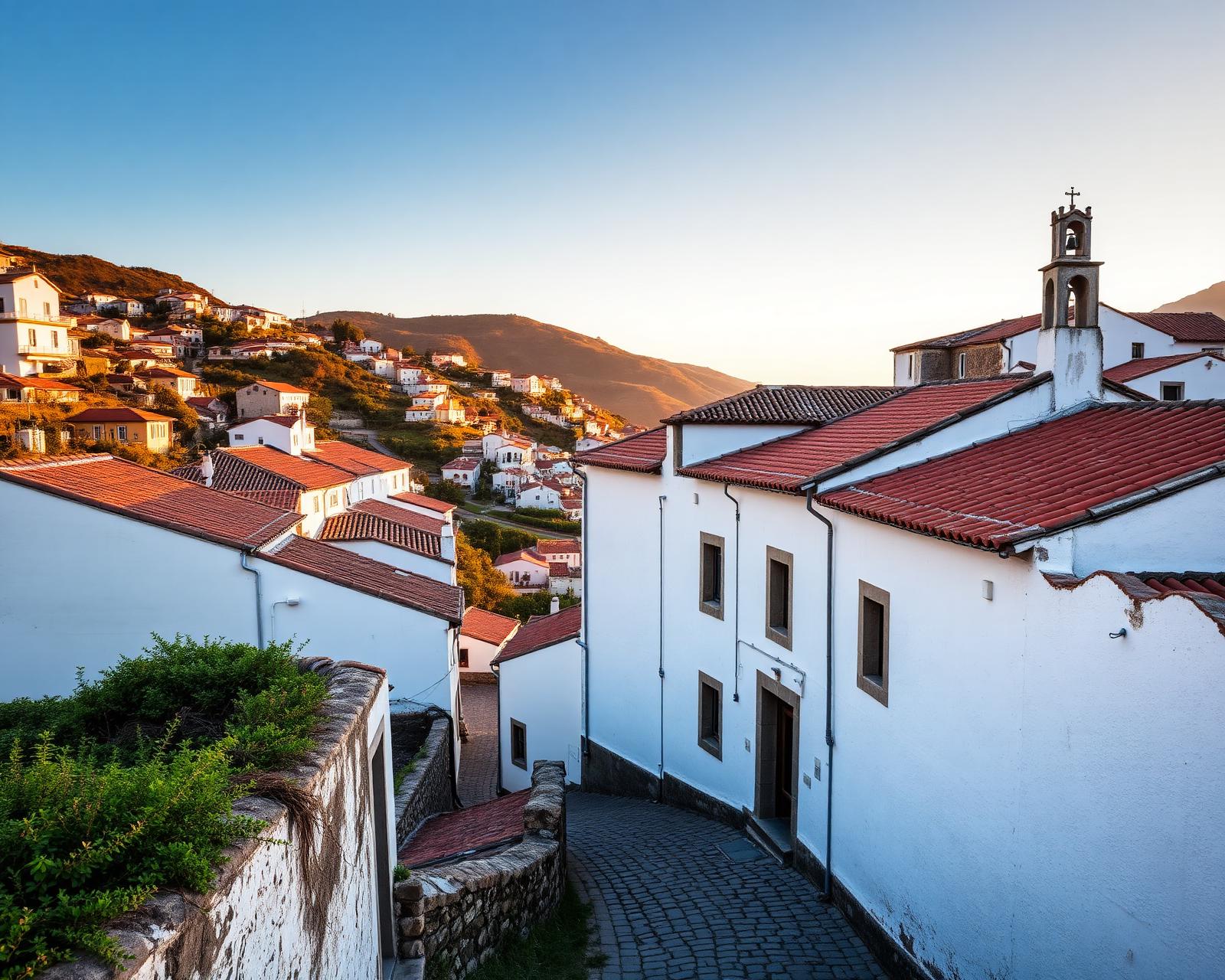
The inland Algarve begins surprisingly close to the coast. Twenty or thirty minutes from the beach road, the land rises into low hills and the villages become smaller, whiter, slower. This is the Serra do Caldeirão and the Barrocal: limestone country, orchard country, a place of wells, tiled churches and cafés where the day is not arranged around visitors.
Alte is one of the easiest inland villages to reach, but it still rewards a slow approach. Come for the Fonte Pequena and Fonte Grande springs, the low white houses around narrow lanes, and a lunch that takes longer than planned. It is best in the morning or late afternoon, when the day-trippers have not yet arrived or have already gone.
Querença sits higher above Loulé, gathered around a church square with a view into the surrounding hills. The village is small enough to read in half an hour, but the reason to come is the setting: walking trails dropping into the valley, old agricultural tracks, and the feeling that the coast is much farther away than it is.
Salir is rougher around the edges and more interesting for it. The remains of its Moorish castle sit above the village, and nearby Rocha da Pena gives one of the best short walks in the interior: a limestone plateau of scrub, birds and wide views across the Barrocal. Pair Salir with Querença rather than trying to rush the whole inland route in a single morning.
Monchique belongs to the western hills, not the central interior, but it fits the same quieter Algarve. The village itself is modest; the surrounding landscape is the reason to stay. Caldas de Monchique, chestnut woods, eucalyptus slopes and the climb to Fóia give the region a mountain mood that feels far removed from the beach towns below.
If this inland version of Portugal is the part that stays with you, continue with our guide to Hidden Places in Portugal Most Travellers Miss.
Wild western Algarve and the Atlantic coast
West of Lagos, and especially beyond Sagres, the Algarve turns toward the Atlantic. The cliffs become lower and broader, the wind stronger, the beaches longer and less domesticated. This is the Algarve edge of the Costa Vicentina — the southern reach of a protected coastline that continues north into the Alentejo.
Carrapateira is the natural beginning: a small village between Praia da Bordeira and Praia do Amado, two long beaches backed by dunes and cliffs. It is not polished, which is precisely the point. Come for walking, surf weather, a simple meal, and the evening light across the headlands.
Arrifana sits further north in a cliff-ringed bay below a small village and the ruins of a fort. The road drops steeply to the beach, but the better moment is often above it, looking down into the cove when the swell is moving in from the west.
Odeceixe marks the Algarve–Alentejo border, where a river meets the sea beneath a quiet hill village. The beach has both river and ocean faces, which makes it useful in wind, but the village itself is part of the appeal: small, white, practical, and still tied to the road north.
Sagres is not hidden, but outside summer it keeps a hard, end-of-Europe atmosphere. The fortress, Cape St. Vincent and the empty roads between them are best near sunset or on a bright winter day. Stay here if you want the western coast without losing access to simple restaurants and basic services.
Burgau is softer: a small fishing village folded into a cove east of Sagres and west of Lagos. It is a useful base when you want the western Algarve's quieter beaches without being fully exposed to the wind. Choose it over Lagos if the aim is early mornings, short drives and a village scale.
Eastern Algarve and the Ria Formosa
The eastern Algarve is flatter, saltier and more tidal than the west. Instead of high cliffs, the coast becomes a lagoon protected by barrier islands. The Ria Formosa is a landscape of channels, sandbanks, oyster beds, salt pans, fishing boats and birds moving through the shallows.
Tavira is the most graceful base in the east: a river town with a Roman bridge, Moorish traces, tiled façades, church towers and a ferry route to the island beach. It has enough restaurants and small hotels to be comfortable, but it still feels like a town first and a destination second.
Cacela Velha is smaller and more cinematic: a white church, a low fort, a few houses and a view over the lagoon toward a pale sandbar. Come early or late. At low tide, small boats cross to the beach below; at high tide, the view becomes almost abstract.
Olhão and Fuseta are working fishing towns rather than resort towns. Olhão's market halls are best on Saturday morning, when the produce and fish stalls spill into the surrounding streets. Fuseta is simpler and quieter, useful for ferries, lagoon walks and a slower day between Tavira and Faro.
Quiet islands near Faro, Olhão and Tavira
The Ria Formosa islands are not remote in distance, but they feel removed because the crossing changes the pace. You leave the car behind, board a ferry, and arrive in settlements built around sand paths, low houses, cafés, fishing gear and the long line of the ocean on the far side.
Culatra Island is the strongest choice if you want a real inhabited island rather than a beach stop. The fishing village has no cars, only sand streets and low white houses. Walk from the harbour across the island to the Atlantic beach, then return slowly for clams or grilled fish near the water.
Armona Island is easier and quieter, reached from Olhão by a short ferry. A single sandy path runs through low houses and dunes to the ocean side. Walk beyond the first beach access and the island opens into long, pale space with very little to do except stay awhile.
Farol Island sits near Culatra, gathered around its lighthouse. It is compact, bright and easy to walk in an afternoon. The settlement can feel busy in high summer, but in shoulder season it has the stillness of a place waiting for the tide rather than the clock.
For a wider Portuguese island itinerary, read Remote Islands in Portugal Worth the Journey.
Best bases for a slow Algarve trip
A quiet Algarve trip works best with two bases, not one. Distances look short on the map, but slow roads, ferry times and long lunches make the region feel larger than it is. Splitting the stay also keeps the journey from becoming a series of return drives.
For the east, choose Tavira if you want atmosphere and easy evenings, Olhão if you want ferries and market life, or Faro if you need airport access and a surprisingly good old town. Tavira is the most complete base for a first quiet Algarve trip.
For the west, choose Sagres for the end-of-the-road feeling, Carrapateira for the Costa Vicentina, Arrifana for surf and cliffs, or Burgau for a gentler fishing-village scale close to Lagos without staying in Lagos.
For the interior, stay one night near Alte, Querença or Monchique rather than treating the hills as a quick detour. The inland Algarve is best after the day heat has gone and before the first tour buses reach the village squares.
Best time to visit
The best months for the quieter Algarve are late March to early June, and mid-September to early November. Spring brings wildflowers, walking weather and full rivers in the interior. Autumn brings warmer sea temperatures, softer light and towns that have exhaled after summer.
July and August are the months to avoid if quiet is the point. The western beaches, island ferries and central roads all become busier, and accommodation prices rise sharply. If you must travel in summer, base inland or in the east, start early, and give the most obvious beaches a wide berth.
Winter is underrated. December to February can be mild, bright and very still, especially inland and on the western coast. Some restaurants and small hotels close, ferry schedules thin, and evenings are quiet, but for walking and reading the landscape it may be the most honest season.
How to get around
Fly into Faro and hire the smallest practical car. Trains connect Faro, Olhão, Tavira, Lagos and several coastal towns, but they do not solve the interior or the western coast. For Alte, Querença, Salir, Monchique, Carrapateira, Arrifana, Odeceixe, Sagres and Burgau, a car changes the trip from possible to graceful.
Use public ferries for the Ria Formosa islands. Boats run from Faro, Olhão, Fuseta, Tavira and nearby quays depending on the island and season. Check times the day before, especially outside summer, and do not plan the last ferry too tightly against a dinner booking or onward drive.
Drive less than you think. A good quiet Algarve day is often one village, one walk, one beach or island crossing, and one slow meal. The landscape loses its atmosphere when treated as a list of stops.
Suggested 5-day quiet Algarve itinerary
Day 1: Faro or Tavira. Arrive through Faro, then either stay in the old town for an easy first night or continue to Tavira for a gentler base. Walk late, eat simply, and let the trip begin without a long drive.
Day 2: Ria Formosa islands. Take the ferry to Culatra Island, Armona Island or Farol Island. Choose one island rather than trying to collect several. Walk across to the ocean side, carry water, and return on a late-afternoon boat.
Day 3: Cacela Velha and eastern villages. Start in Tavira, drive east to Cacela Velha, then continue through the quieter lagoon country toward Castro Marim or the salt pans. This is a day for short distances and long pauses.
Day 4: Alte, Querença, Salir or Monchique. Turn inland. Choose Alte and Querença for the central hills, add Salir and Rocha da Pena if you want a walk, or push west to Monchique if you prefer mountain roads and a night above the coast.
Day 5: Western Algarve, Sagres, Carrapateira, Arrifana or Burgau. Drive west early. Use Sagres and Cape St. Vincent for the end-of-Europe mood, Carrapateira and Arrifana for the Atlantic coast, Odeceixe if you want the river-meets-sea landscape, or Burgau for a softer final night near the water.
This route is deliberately loose. It gives the quiet Algarve a shape without turning it into a checklist. Add nights wherever the pace begins to feel right.
Where to stay nearby
In the east, look for small hotels or guesthouses in Tavira if you want evenings on foot, or Olhão and Faro if ferry access matters most — our guide to where to stay in the Algarve away from the resorts names the specific properties. Avoid large resort complexes for this itinerary; they pull the trip back toward the version of the Algarve you are trying to step around.
Inland, choose rural stays near Monchique, Alte or Querença — places with simple breakfasts, parking, and enough darkness at night to remind you that the coast is not the whole story. A single night inland changes the trip more than another beach hotel does.
In the west, simple coastal stays near Sagres, Carrapateira, Arrifana or Burgau work better than polished addresses. Prioritise walking access, parking, and whether dinner is possible without driving after dark.
Experiences nearby
Walk a section of the Rota Vicentina between Carrapateira, Arrifana and Odeceixe, choosing a short stage rather than a punishing one. The western coast is best when there is time to stop above the cliffs and watch the weather move across the water.
Take a public ferry into the Ria Formosa rather than a packaged cruise if you want the quieter rhythm of the lagoon. Culatra, Armona and Farol each make more sense as a full slow day than as a quick detour.
Inland, walk Rocha da Pena near Salir, visit the springs at Alte, or spend a morning around Monchique and Caldas de Monchique. These are small experiences, but they give the Algarve its depth.
Practical notes
Book accommodation early for April, May, September and October, especially in Tavira and the smaller western villages. The quietest places often have very few rooms, and the best ones do not need to advertise loudly.
Carry cash for village cafés, market stalls and some island restaurants. Keep water in the car, especially inland, and do not assume every small village will have a late lunch option outside high season.
Check ferry times before committing to an island day. Wind can change the feel of the Ria Formosa quickly, and winter schedules can be thin. On the western coast, treat surf and cliff warnings seriously; the Atlantic here is beautiful because it is not tame.
The Unknown Atlas is independent. We do not accept payment for coverage — how we handle commercial links.
A practical layer
Planning this journey
- Where to stay
- Small guesthouses, restored village houses, pousadas, rural hotels, or unusual stays that fit the route.
- Best with
- A small hire car, especially for inland villages, coast roads, Alentejo, Serra da Estrela, and schist villages.
- Experiences nearby
- Guided walks, wine tastings, boat trips, local food experiences, small-group tours, or quiet cultural visits depending on the article.
- Useful add-ons
- Travel insurance, eSIM/data, offline maps, flexible ferry/flight planning, and enough cash for smaller villages.
Quiet planning notes — never a booking widget. See our disclosure.
Continue exploring
More from Hidden Places in Portugal

Hidden Places
Hidden Places in Portugal Most Travellers Miss
Beyond Lisbon, Porto and the headline beaches, Portugal keeps a quieter country of stone villages, schist hamlets, river gorges and an Atlantic coast that thins out the moment the highway turns inland.
Hidden Places
Where to Stay in the Algarve, Away from the Resorts
The Algarve most people book is thirty kilometres of resort coast. The Algarve worth staying in is everywhere else — and it is mostly farmhouses, converted outbuildings, and places with fewer than a dozen rooms.
Hidden Places
Secluded Retreats in Portugal
Portugal has an unusual amount of empty country for a small nation, and a habit of putting guests in buildings that were something else first. These are the places you cannot walk to a shop from.