Remote Islands in Portugal Worth the Journey
Berlengas off the mainland, Porto Santo beyond Madeira, and the quieter Azorean islands — a Portuguese island reading for travellers who treat the crossing as part of the trip.
Portugal · Published March 2026 · 6 min read
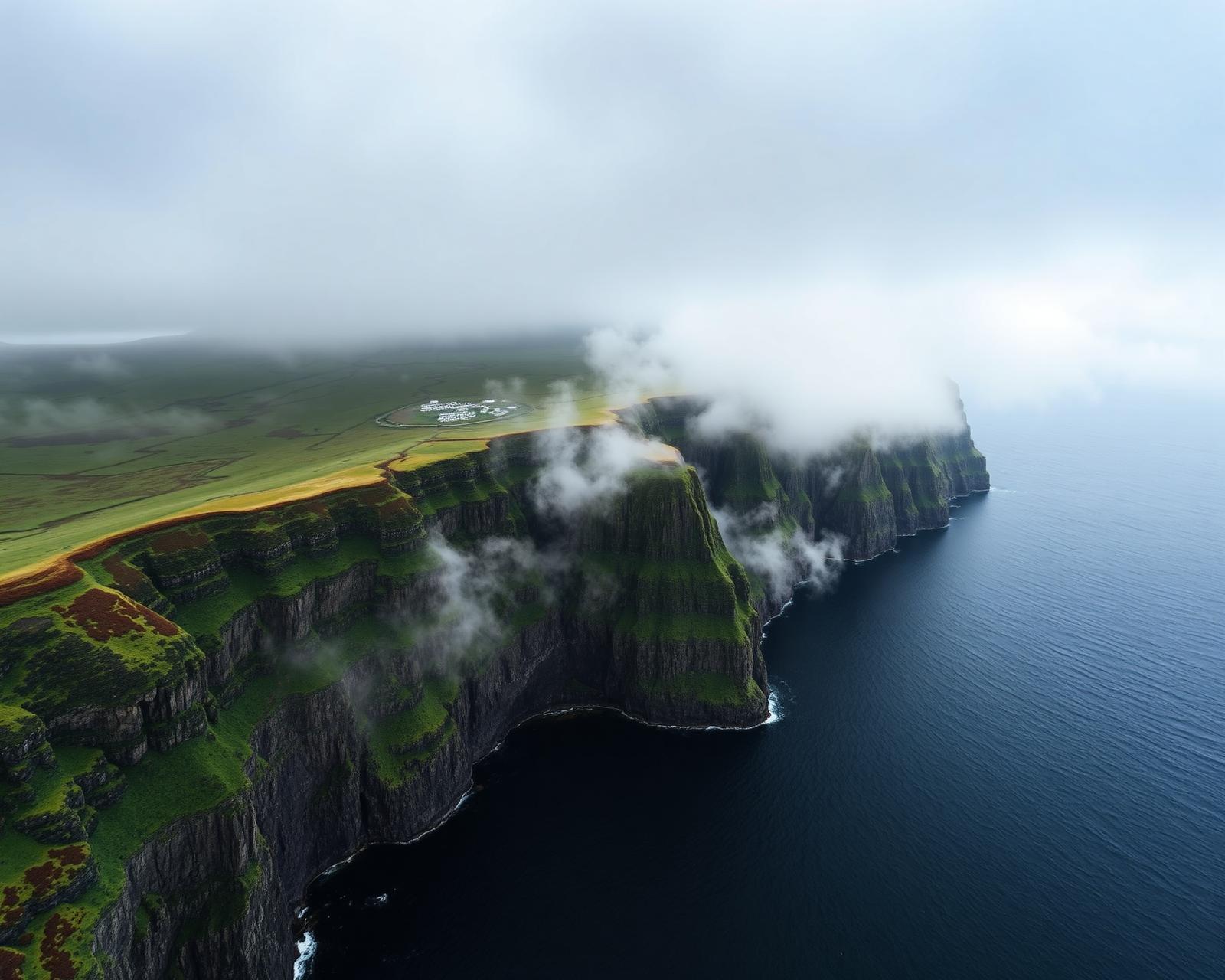
This is a guide to the remote islands in Portugal worth the journey: the Berlengas off the mainland coast at Peniche, Porto Santo beyond Madeira, and the quieter Azorean islands — Corvo, Flores, São Jorge, Graciosa — where the crossing itself is part of the trip.
These islands off Portugal share one thing: none is a day-trip destination. Some are an afternoon's boat ride from the mainland; others take a full day of flights and ferries to reach. What they reward is slow travel — two nights minimum, a willingness to let the weather decide the rhythm, and time to read the harbour village around you. For the wider context on the country away from its headline routes, see our hub on Hidden Places in Portugal and the pillar article on Hidden Places in Portugal Most Travellers Miss; for the southern coast beneath the islands, pair this with Quiet Places in the Algarve Away from the Crowds.
What counts as remote in Portugal
Portugal's islands sit on a spectrum. The Berlengas archipelago is fifteen kilometres off the mainland; the Azores are halfway to North America. What unites them, for this guide, is that none can be visited well as a day trip. They ask for at least one night and a willingness to let the weather decide the rhythm.
If you are planning a wider European island itinerary, pair this guide with our reading of Remote Islands in Europe for Slow Travellers.
Berlengas — Portugal's closest wild islands
The Berlengas sit off the coast at Peniche, a short, often choppy boat ride from the mainland. The main island, Berlenga Grande, is a granite ridge with a fort built on a small rock connected by a causeway, a single small village, and limited overnight beds inside the reserve.
The trip works best as a single overnight rather than a day visit. With one night you get the late afternoon after the day boats leave, an evening on the rocks, and an early morning before the next arrivals — the part of the island that justifies the crossing.
Boats run only between May and September, and weather can cancel sailings at short notice. Book the overnight months ahead; the few rooms inside the reserve fill quickly.
Porto Santo — the quiet island beyond Madeira
Porto Santo lies about thirty minutes by flight or a couple of hours by ferry from Madeira. Where Madeira is volcanic, green and steep, Porto Santo is low, sand-coloured and built around a single nine-kilometre beach.
It is not a hidden island; it is a quieter one. Use it as the slow second half of a Madeira trip — two or three nights, a hire car for the small interior roads, and long mornings on the empty western end of the beach. A deeper Madeira guide is planned for a future dispatch.
Corvo and Flores — the western Azores
Corvo is the smallest inhabited island in the Azores, with a single village of around four hundred people and a vast crater — the Caldeirão — covering most of the island. The way to read Corvo is on foot: walk the rim, lose half a day to the wind, eat slowly in the village.
Flores sits nearby and is larger, greener and more vertical, with waterfalls falling almost everywhere there is a cliff. Together they make a complete western-Azores trip: three nights on Flores, one on Corvo, with the ferry between them treated as part of the itinerary rather than a transfer.
São Jorge, Graciosa and the quieter central Azores
São Jorge is a long, narrow ridge of an island, famous for its fajãs — small flat shelves of land beneath the cliffs, reachable on foot or by dirt road. Stay in Velas, walk down into Fajã dos Cubres or Fajã da Caldeira de Santo Cristo, and let the descent and the climb back set the pace of the day.
Graciosa is the most pastoral of the Azorean islands — vineyards in stone walls, a small caldera and a sulphur cave at its centre. It rewards three nights and a slow hire car, not a half-day hop.
A full Azores slow travel guide is planned for a future dispatch.
How to plan a Portuguese island trip
Choose one archipelago, not all three. Berlengas plus the mainland coast, Madeira plus Porto Santo, or three Azorean islands together each make a complete trip on their own. Trying to do Berlengas, Madeira and the Azores in one fortnight reduces every island to a passing visit.
Build slack into the schedule. Inter-island ferries and small flights in the Azores can be delayed or cancelled by weather, especially outside summer. Never plan a tight international connection on a moving day.
Best time to visit
Berlengas: May to September only — outside that window the reserve is effectively closed to visitors.
Madeira and Porto Santo: comfortable year-round, with the warmest sea between July and October and the quietest months in late autumn and early spring.
Azores: May to October for warm walking weather and reliable ferries. Winter trips are possible and dramatic, but expect cancelled crossings.
Where to stay nearby
On Berlengas, the few rooms inside the reserve book out months ahead — failing those, stay in Peniche on the mainland and treat the island as one long day plus an early second crossing.
On Porto Santo, choose small guesthouses inland or near the quieter western end of the beach rather than the larger hotels at the centre.
On the Azorean islands, look for small family inns, restored manor houses (solares) and farm stays. They are limited in number on Corvo, Flores and Graciosa — book early.
Experiences worth booking
Snorkelling tours and a guided walk on Berlenga Grande, a bike day along Porto Santo's beach road, a Caldeirão crater tour with a local guide on Corvo, and a fajã walking day with transport on São Jorge. Most other days on these islands are best left to weather and appetite.
Practical notes
Carry cash for small bars, harbour cafés and ferry tickets. ATMs can be limited on smaller islands. Keep a printed copy of ferry and flight bookings — mobile signal varies on the Azorean coasts. Treat Atlantic weather warnings seriously, especially around cliffs and small harbours.
The Unknown Atlas is independent. We do not accept payment for coverage — how we handle commercial links.
A practical layer
Planning this journey
- Where to stay
- Small guesthouses, restored village houses, pousadas, rural hotels, or unusual stays that fit the route.
- Best with
- A small hire car, especially for inland villages, coast roads, Alentejo, Serra da Estrela, and schist villages.
- Experiences nearby
- Guided walks, wine tastings, boat trips, local food experiences, small-group tours, or quiet cultural visits depending on the article.
- Useful add-ons
- Travel insurance, eSIM/data, offline maps, flexible ferry/flight planning, and enough cash for smaller villages.
Quiet planning notes — never a booking widget. See our disclosure.
Continue exploring
More from Hidden Places in Portugal

Hidden Places
Hidden Places in Portugal Most Travellers Miss
Beyond Lisbon, Porto and the headline beaches, Portugal keeps a quieter country of stone villages, schist hamlets, river gorges and an Atlantic coast that thins out the moment the highway turns inland.
Hidden Places
Where to Stay in the Algarve, Away from the Resorts
The Algarve most people book is thirty kilometres of resort coast. The Algarve worth staying in is everywhere else — and it is mostly farmhouses, converted outbuildings, and places with fewer than a dozen rooms.
Hidden Places
Secluded Retreats in Portugal
Portugal has an unusual amount of empty country for a small nation, and a habit of putting guests in buildings that were something else first. These are the places you cannot walk to a shop from.