A regional atlas
Remote Islands in Europe
Europe's most extraordinary islands are usually the hardest to reach. The Faroes hide between weather systems. The Azores sit two hours out into the Atlantic, reached by direct routes from a handful of European cities and, more commonly, connections through Lisbon or Porto. The Outer Hebrides are a long, deliberate drive followed by a ferry that runs on the tide.
These are the archipelagos worth returning to — small populations, large landscapes, and a quality of light that earns the extra connection.
What you'll find here
Inside this hub: notes on the Azores, the Faroes, the Outer Hebrides, the Lofoten chain, the smaller Scottish islands, and the lesser-known Greek archipelagos. Each piece covers how to get there, when to go, where to base yourself, and how to build a week around weather that can rewrite the itinerary in an afternoon.
Inside this hub
The places collected here
The Azores
Nine volcanic islands in the mid-Atlantic — caldera lakes, whale routes, and a green so saturated it looks colour-corrected. Reached by direct flights from a handful of European cities or a connection through Lisbon or Porto. São Miguel for the first trip; Pico and Flores for the second.
The Faroe Islands
Eighteen islands connected by a quietly heroic subsea tunnel network. Cliffs at Vestmanna, the lake above the ocean at Sørvágsvatn, and weather that changes the country every twenty minutes.
The Outer Hebrides
A long deliberate drive followed by a ferry that runs on the tide. Empty Atlantic beaches, Gaelic-speaking villages, and standing stones older than several civilisations.
Lofoten and northern Norway
Fishing villages painted red against the granite, Arctic light from late spring through summer, and the cold-water surf at Unstad for travellers who plan around the swell.
Smaller Scottish islands
Eigg, Rum, Iona, Colonsay — small populations, single-track roads, and a pace of life set by the ferry timetable rather than the clock.
Lesser-known Greek islands
Beyond the Cyclades headline names — Folegandros, Kythira, Tilos, Symi — quieter Aegean islands kept small by their connections.
From the Atlas
Dispatches from this hub

Islands & Coastlines
Remote Islands in Europe for Slow Travellers
The Azores, the Faroes, the Outer Hebrides, the Lofoten, and the quieter Greek islands — a reading list of European islands that reward the unhurried traveller.

Road Trips
Driving the Faroe Islands End to End
Eighteen islands joined by subsea tunnels, causeways and small ferries — how the road network actually works, a seven-day route, and why the forecast should decide the itinerary before the map does.
Islands & Coastlines
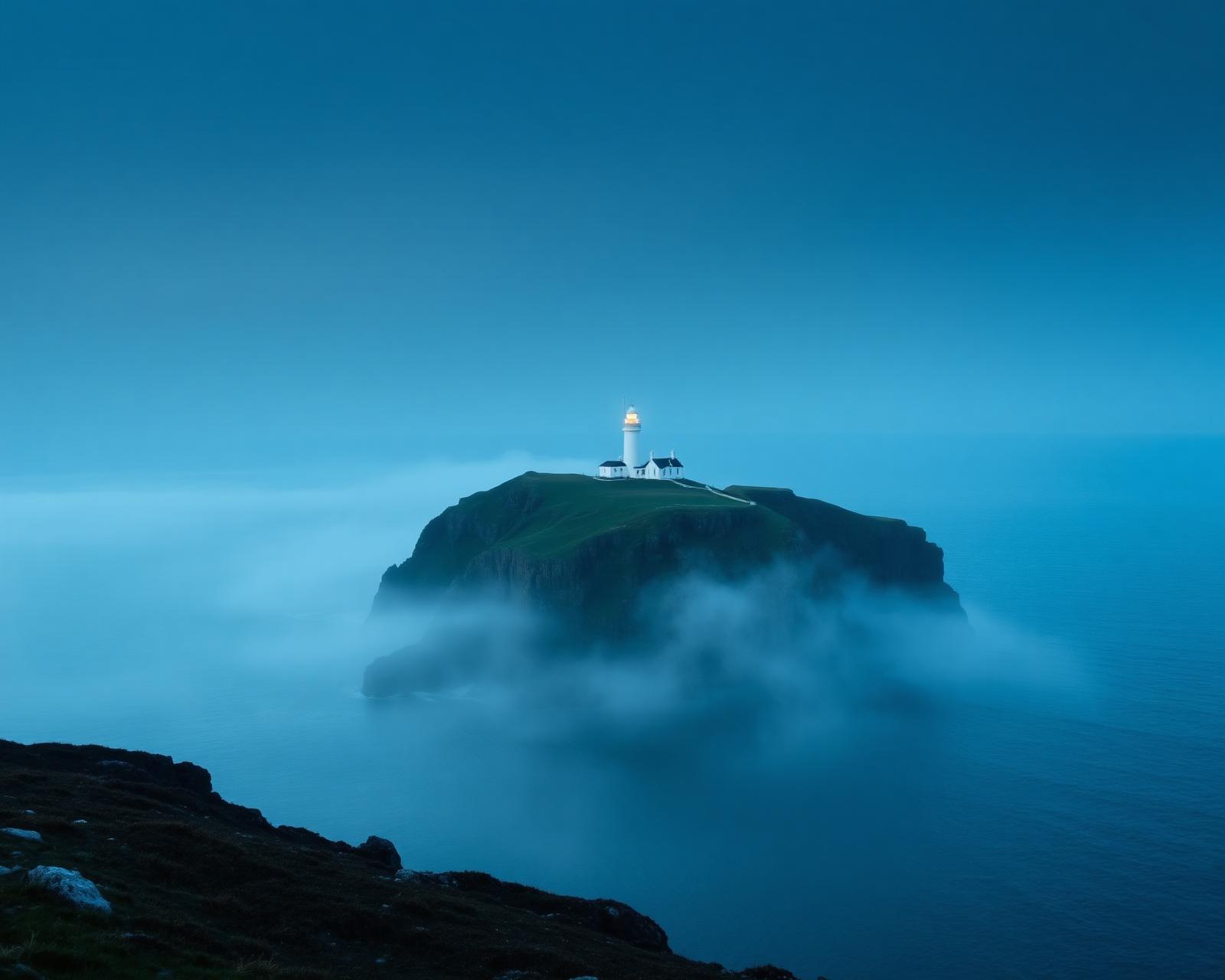
Remote Islands Worth Crossing the World For
A reading list of islands that ask something of the traveller — long flights, slow ferries, patient weather — and return the effort.
Islands & Coastlines
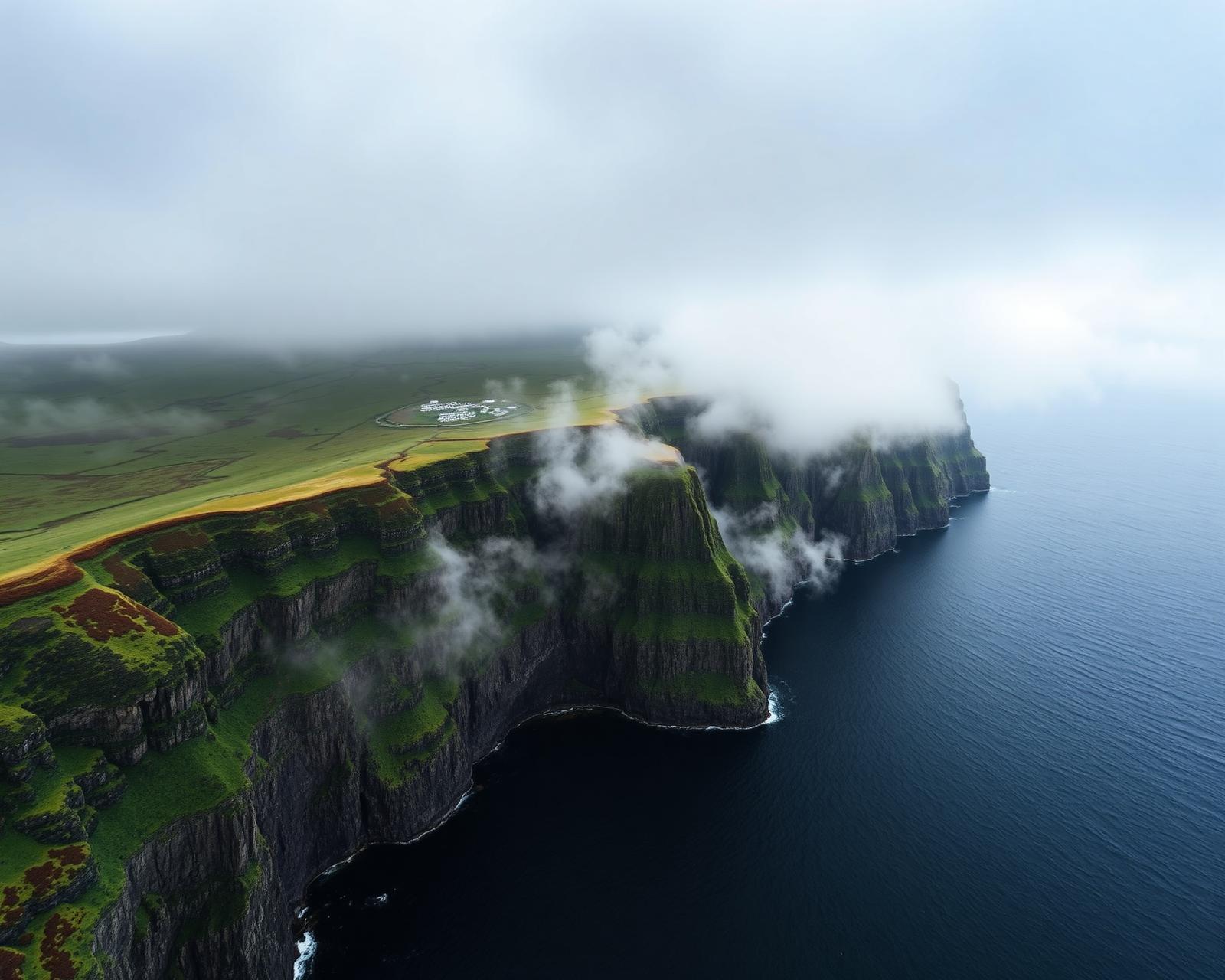
Remote Islands in Portugal Worth the Journey
Berlengas off the mainland, Porto Santo beyond Madeira, and the quieter Azorean islands — a Portuguese island reading for travellers who treat the crossing as part of the trip.
Plan the journey
A short, practical brief
Always add a buffer day
Small-island ferries and short-hop flights cancel for weather. Build at least one slack day into either end of the trip.
Travel light
Layered, weather-ready clothing and a single bag. Many of these airports do not have jet bridges and many guesthouses are a short walk from the dock.
Book the ferry first
On the smaller routes, the ferry timetable should set the itinerary, not the other way around.
For editorial resources on accommodation, experiences, transport and insurance — see Plan the Journey.
Plan this journey
Quietly useful, never a banner
Where to Stay Nearby
Small island guesthouses, restored fishing cottages, and the handful of design-led inns that have opened on the more reachable archipelagos.
Getting Around
Ferry passes, small-island car hire, and the regional airlines that connect the outer islands. The tools gathered on the Plan the Journey page.
Before You Go
Travel insurance with weather-cancellation cover, an eSIM that works on the smaller carriers, and layered, waterproof clothing for every season in a day.
Some links on this page may earn us a small commission, at no cost to you. Read our disclosure.
Related reading
Continue through the Atlas
A thematic atlas
Lesser-Known Coastal Escapes
Quiet beaches, working fishing villages, and overlooked coastlines — an editorial guide to coastal escapes worth the longer drive.
A thematic atlas
Strange and Beautiful Landscapes
Volcanic islands, salt flats, dragon's-blood forests — a reading list of landscapes around the world that don't quite look like Earth.
A regional atlas
Hidden Places in Europe
An editorial guide to hidden places in Europe — overlooked valleys, quiet villages, and lesser-known corners worth the detour.
Plan the Journey
A quiet planning companion
Useful resources for planning remarkable journeys — kept editorial, never a booking widget.
Some links may earn us a small commission, at no cost to you. Read our disclosure.
The Dispatch
One extraordinary place, every month
Receive one extraordinary place each month — hidden routes, unusual stays, and strange corners worth the journey. One quiet letter. No noise.