Unusual Hotels in Portugal Worth Planning a Trip Around
Pousadas in Alentejo convents, schist houses in the Serra da Lousã, Douro wine estates, Azores and Madeira retreats and Costa Vicentina cliffside hotels — Portugal-only stays worth planning a journey around.
Portugal · Published April 2026 · 3 min read
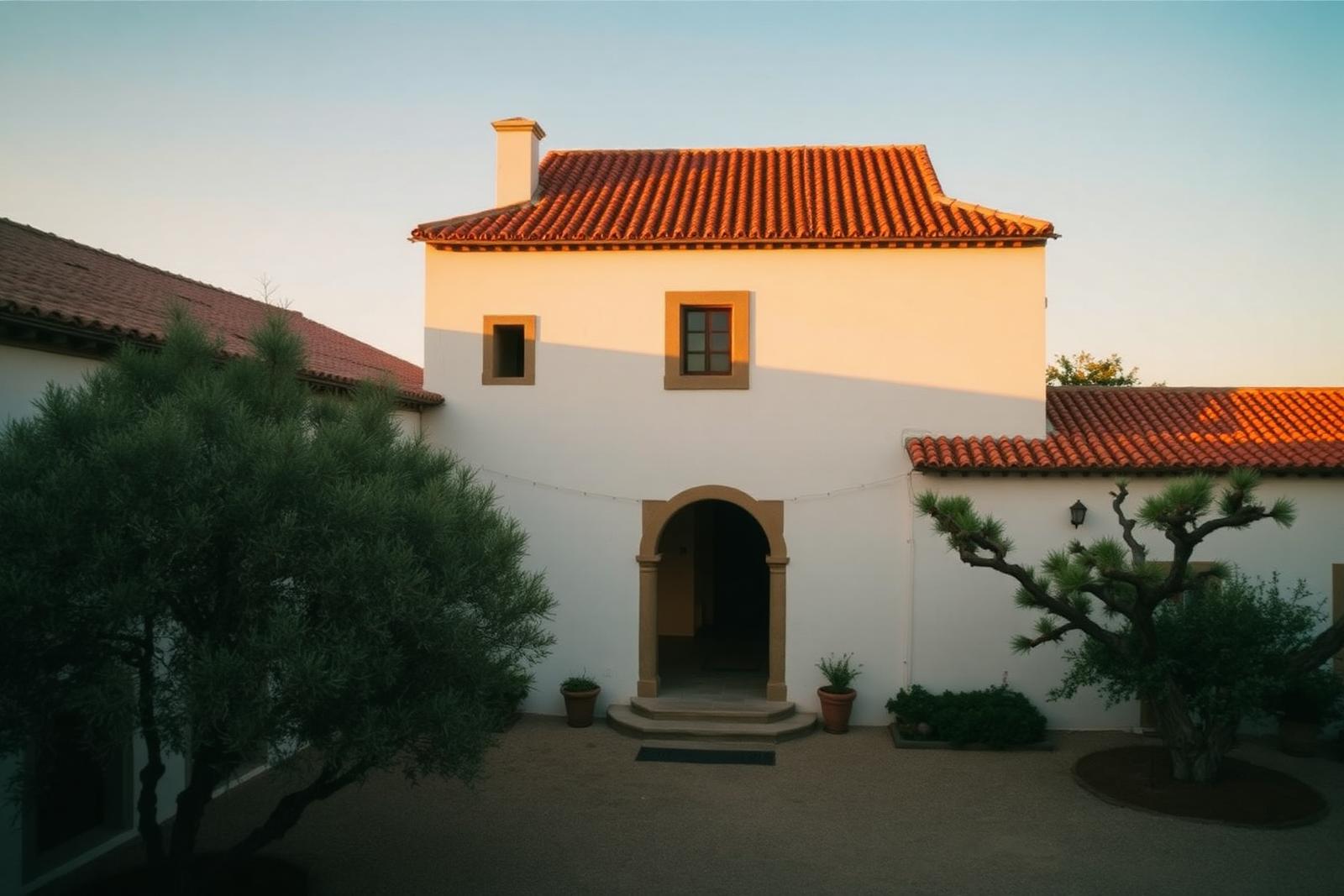
Portugal has quietly become one of the better countries in Europe for unusual stays. The pattern is consistent: a historic building — a convent, a manor, a row of fishermen's houses — restored at the scale of a small hotel, with patience and without losing what the place was before.
What follows is a short reading list of the kinds of stays worth planning a whole journey around. None of these are bargains. All of them are the rare hotel you remember in the same sentence as the country itself.
Restored convents and pousadas in the Alentejo
The Pousada Convento de Évora and a handful of smaller private convents in the Alentejo have been restored as small hotels with the patience the buildings deserve. The cloisters are intact, the cells are now generous rooms, and the silence is treated as part of the offering.
Pair an Alentejo convent night with our wider notes on Extraordinary Hotels and the slow countryside drives nearby.
Schist houses in the central mountains
In the Serra da Lousã and the Açor range, the schist villages of Cerdeira, Talasnal and Gondramaz have several restored stone houses available as small inns and self-catering retreats. Wood-fired heat, river swimming in summer, and almost no light pollution at night.
These pair naturally with our reading list of Hidden Places in Portugal Most Travellers Miss.
Cliffside retreats and Atlantic lighthouses
Along the Costa Vicentina, a small number of design-led cliffside hotels have been built into the weather rather than against it. Further north, on the Berlengas archipelago and at scattered points along the Atlantic coast, a handful of converted lighthouses and forts now take a small number of guests.
These properties belong to the same family of stays as the Remote Islands in Europe for Slow Travellers collected separately.
Manor houses, quintas and wine estates
In the Douro, Dão and Alentejo, a generation of family-run quintas have opened a handful of rooms above their working wineries. The architecture is honest, the kitchen is small, and the wine on the table is almost always made within sight of the dining room.
How to choose, and when to book
These places are small. The most interesting rooms — the cell with the original arched window, the cabin closest to the river, the suite with the cliff view — often go a season ahead.
Book early, aim for May, June, late September or early October, and stay at least two nights. Treat the hotel as part of the itinerary, not just the bed.
The Unknown Atlas is independent. We do not accept payment for coverage — how we handle commercial links.
A practical layer
Planning this journey
- Where to stay
- Small guesthouses, restored village houses, pousadas, rural hotels, or unusual stays that fit the route.
- Best with
- A small hire car, especially for inland villages, coast roads, Alentejo, Serra da Estrela, and schist villages.
- Experiences nearby
- Guided walks, wine tastings, boat trips, local food experiences, small-group tours, or quiet cultural visits depending on the article.
- Useful add-ons
- Travel insurance, eSIM/data, offline maps, flexible ferry/flight planning, and enough cash for smaller villages.
Quiet planning notes — never a booking widget. See our disclosure.
Continue exploring
More from Hidden Places in Portugal

Hidden Places
Hidden Places in Portugal Most Travellers Miss
Beyond Lisbon, Porto and the headline beaches, Portugal keeps a quieter country of stone villages, schist hamlets, river gorges and an Atlantic coast that thins out the moment the highway turns inland.
Hidden Places
Where to Stay in the Algarve, Away from the Resorts
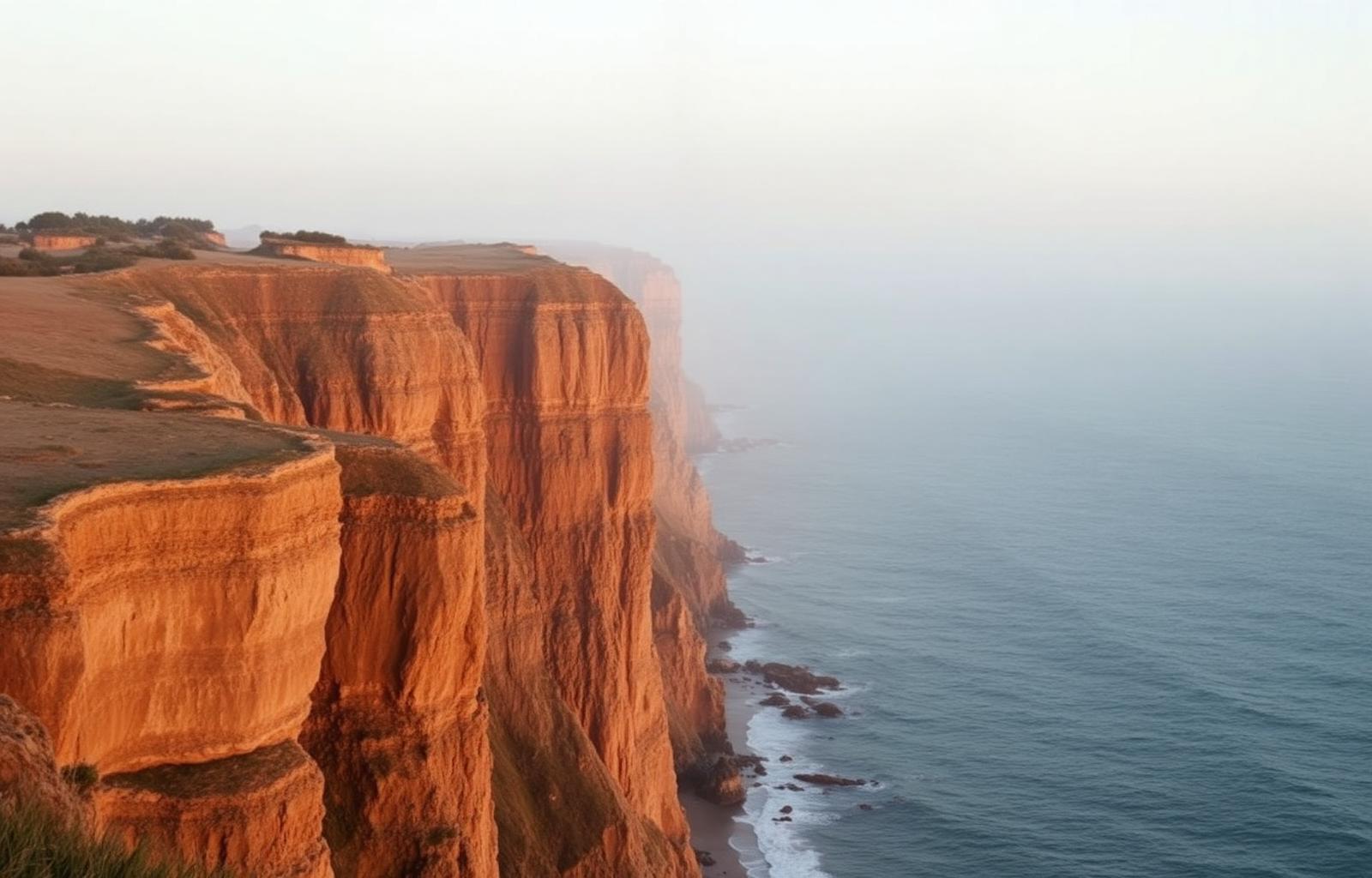
The Algarve most people book is thirty kilometres of resort coast. The Algarve worth staying in is everywhere else — and it is mostly farmhouses, converted outbuildings, and places with fewer than a dozen rooms.
Hidden Places
Secluded Retreats in Portugal
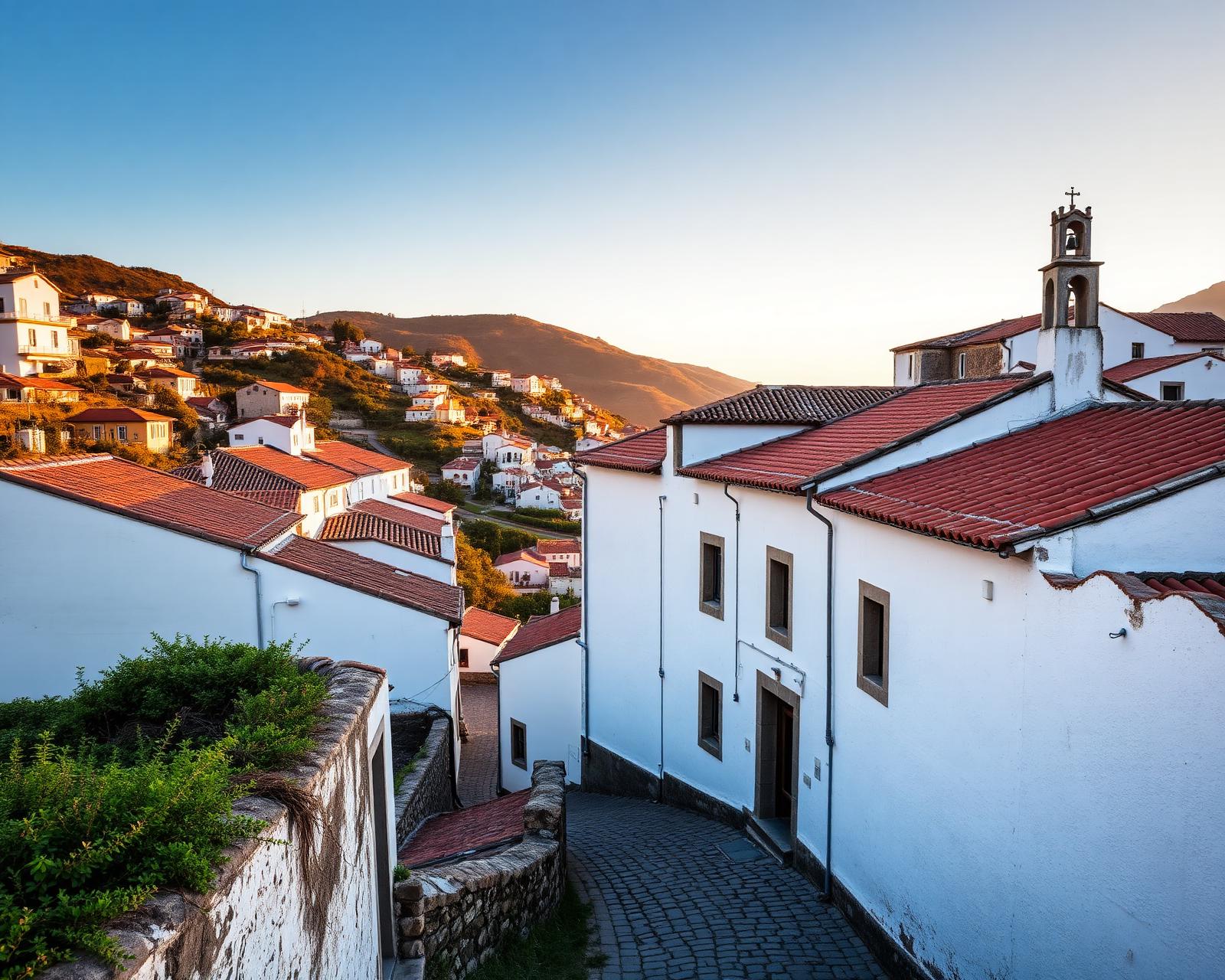
Portugal has an unusual amount of empty country for a small nation, and a habit of putting guests in buildings that were something else first. These are the places you cannot walk to a shop from.