
Where to stay
Unusual Hotels in Europe
This is our hub for unusual hotels in Europe — cave hotels, remote lodges, converted monasteries, castle stays, lighthouse rooms and forest cabins where the building becomes the reason for the trip.
It is a slowly-built shortlist of unique places to stay, rooms with a sense of place, run by people who care about the view from the window. The dispatches below cover the pan-European guide and its wider companion on extraordinary hotels.
What you'll find here
Inside this hub: dispatches on castles you can sleep in, restored monasteries and convents, cliffside cave houses, lighthouse rooms, forest cabins, treehouses, and a small number of historic inns where the building is the point. We focus on rooms with a sense of place, not branded resorts.
Inside this hub
The places collected here
What makes a hotel unusual
A hotel belongs here when the building, setting, or history changes the journey itself — a cave room, a lighthouse, a monastery cloister, a forest cabin, or a castle where the overnight silence is part of the stay.
Historic stays
Medieval keeps, fortified manor houses, restored convents, Cistercian and Benedictine houses, and old coaching inns where the architecture still sets the pace of the visit.
Remote lodges
Small inns built into weather and distance: forest cabins in Sweden and Slovenia, Atlantic lodges in the Hebrides and Faroes, and mountain retreats where arrival is part of the story.
Strange and beautiful architecture
Cave hotels in Matera and Santorini, rock-cut rooms in volcanic stone, glass cabins among pines, lighthouse rooms on headlands, and design hotels that borrow from the landscape rather than overpower it.
Hotels worth planning a journey around
The best unusual hotels are not add-ons after the itinerary is finished. They shape where you fly, how long you stay, what you do nearby, and whether a detour becomes the point of the trip.
Before you book
Check access after dark, direction of view, winter closures, restaurant hours, and whether the property can arrange a local guide or transfer. The most memorable stays are often small, seasonal, and deliberate.
Related Atlas chapters
Read this alongside our hidden places, ancient cities, remote islands, and strange landscapes hubs — the best hotel is usually strongest when the surrounding place can carry the journey too.
From the Atlas
Dispatches from this hub
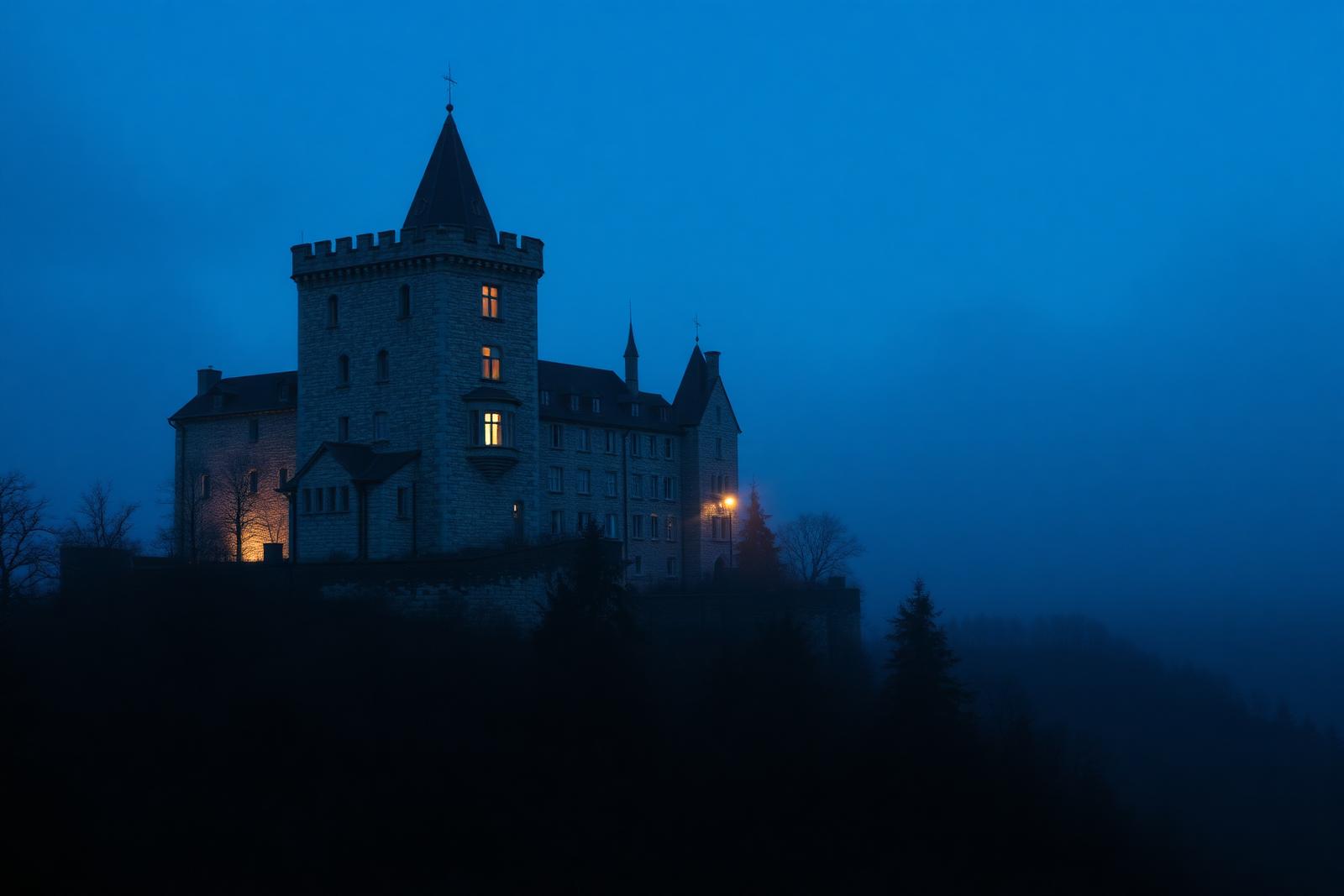
Extraordinary Hotels
Cave Rooms, Monasteries and Lighthouses: Europe's Most Unusual Hotels
Castle stays in the Highlands and Bohemia, Spanish Paradores and Italian monasteries, Matera cave rooms, Croatian lighthouse keepers' cottages, alpine inns and Lapland lodges — a pan-European guide to stays beyond Portugal.
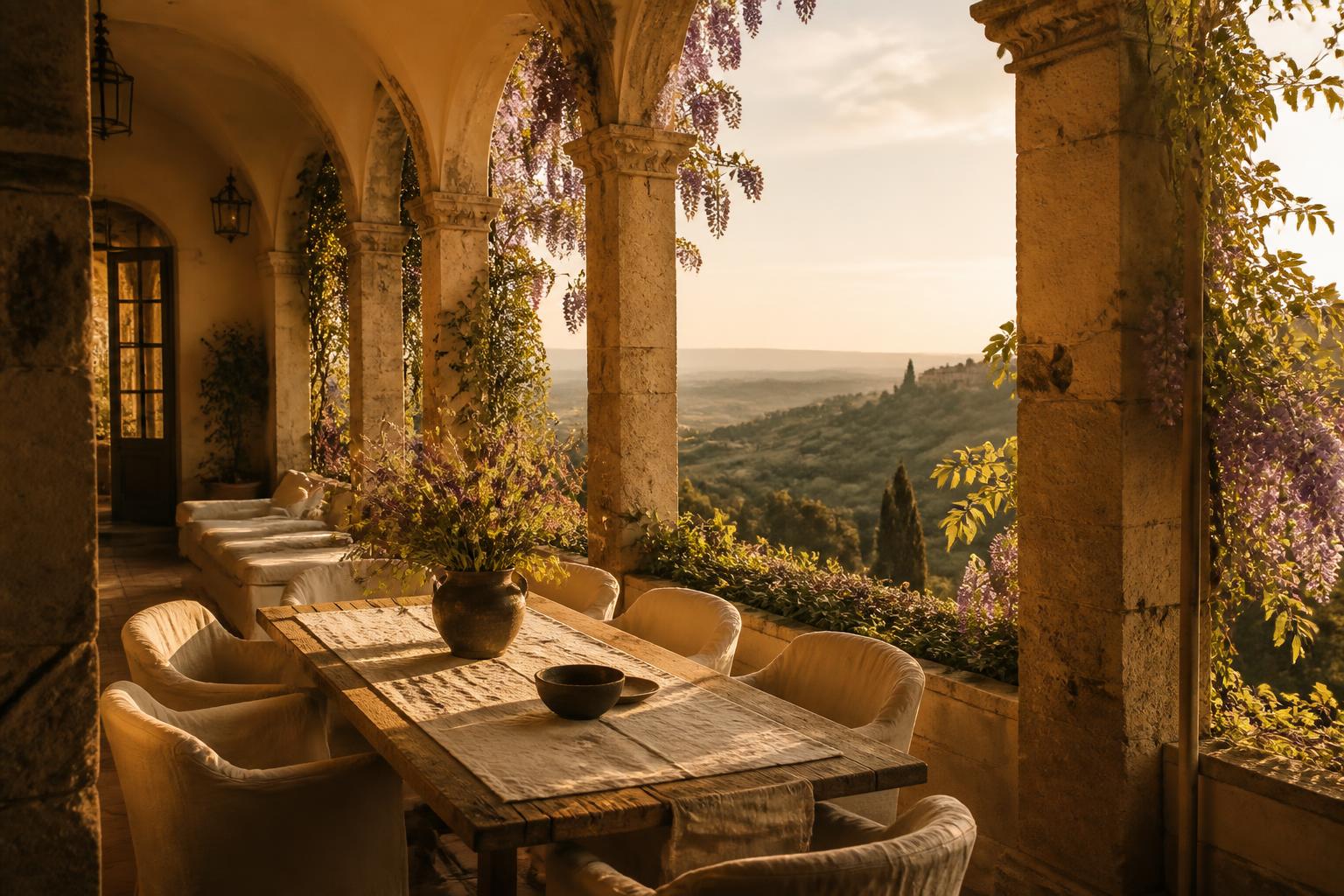
Extraordinary Hotels
What Makes a Hotel Worth Planning a Trip Around
A broad editorial introduction to the hotels worth planning a trip around — converted monasteries, treehouses above Swedish rivers, desert camps and small island inns where the building is the reason you went.
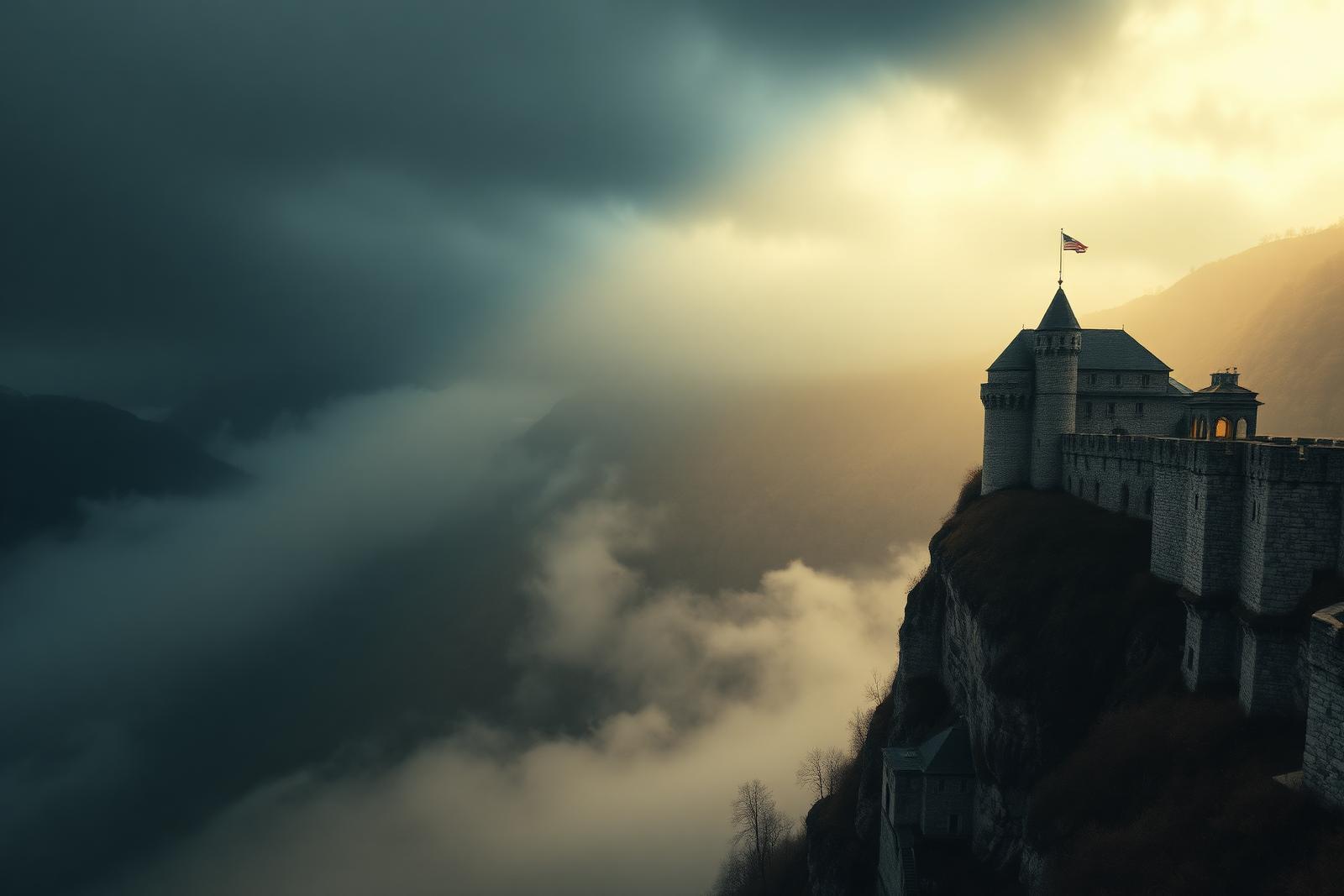
Ancient Cities
Castles That Look Like They Belong in Another World
Cliffside keeps, forest fortresses, and a Bavarian silhouette so familiar it feels invented — the castles that earn the long detour.
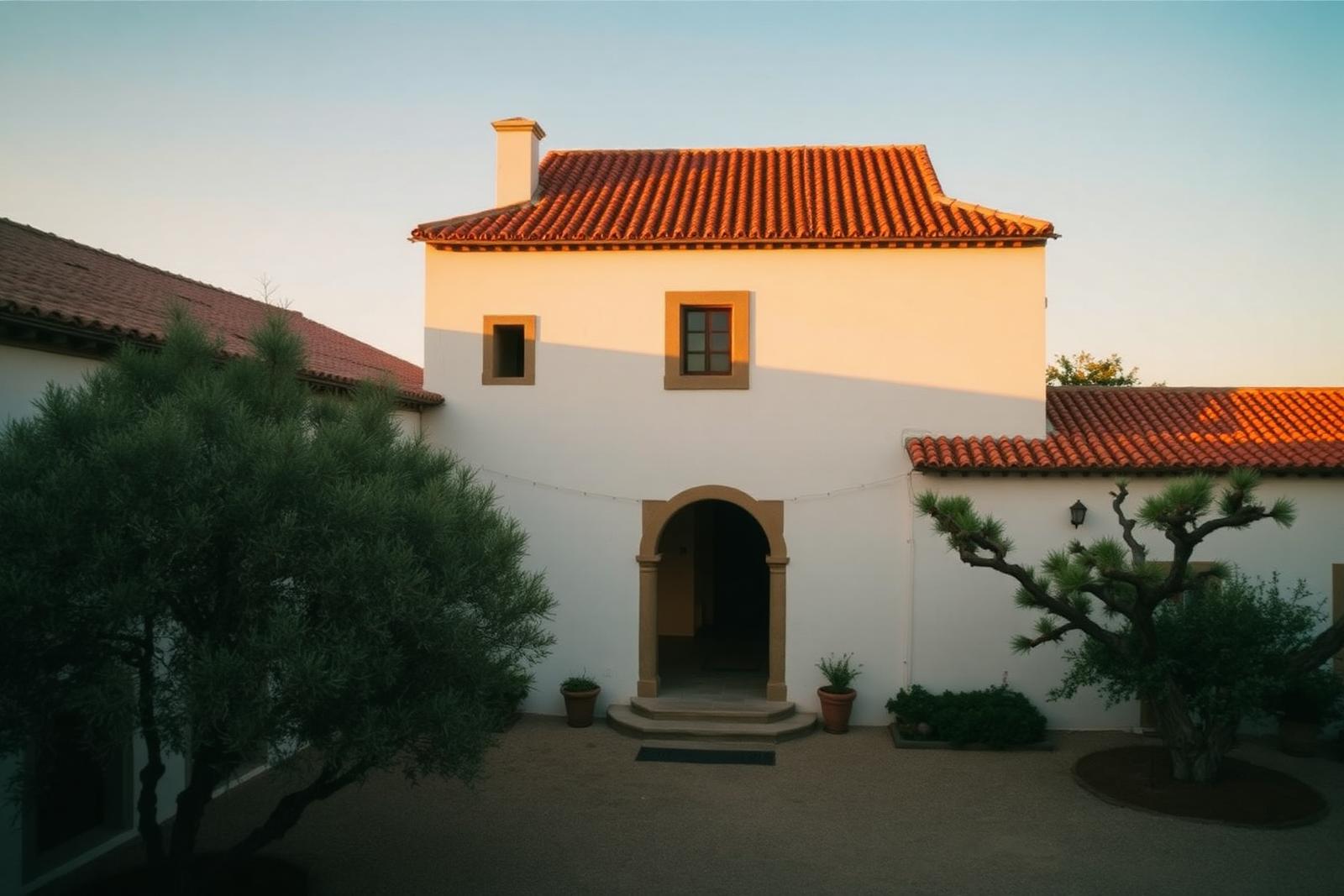
Extraordinary Hotels
Unusual Hotels in Portugal Worth Planning a Trip Around
Pousadas in Alentejo convents, schist houses in the Serra da Lousã, Douro wine estates, Azores and Madeira retreats and Costa Vicentina cliffside hotels — Portugal-only stays worth planning a journey around.
Plan the journey
A short, practical brief
When to book
The best rooms in these hotels sell three to six months ahead in shoulder season. The very smallest places open a booking window once a year.
How long to stay
Two or three nights, not one. These are properties built for slow mornings and unhurried dinners.
What to ask
Direction-of-view, breakfast hours, and whether the hotel will help arrange a local guide for half a day. The best ones quietly will.
For editorial resources on accommodation, experiences, transport and insurance — see Plan the Journey.
Plan this journey
Quietly useful, never a banner
Where to Stay Nearby
Independent booking sources for confirming small, character-led properties. Listed on the Plan the Journey page.
Experiences Worth Booking
A guided tour of the cloister, a vineyard half-day, a small-group sunset sail — the experiences worth scheduling in advance.
Travel Essentials
Travel insurance, eSIM, and the small things — torches, layers, a paper map for the drive in.
Some links on this page may earn us a small commission, at no cost to you. Read our disclosure.
Related reading
Continue through the Atlas
A regional atlas
Hidden Places in Europe
An editorial guide to hidden places in Europe — overlooked valleys, quiet villages, and lesser-known corners worth the detour.
A thematic atlas
Ancient Cities & Forgotten Towns
Walled cities, hill towns, and forgotten medieval places — an editorial guide to Europe's living history beyond the obvious capitals.
A thematic atlas
Strange and Beautiful Landscapes
Volcanic islands, salt flats, dragon's-blood forests — a reading list of landscapes around the world that don't quite look like Earth.
Plan the Journey
A quiet planning companion
Useful resources for planning remarkable journeys — kept editorial, never a booking widget.
Some links may earn us a small commission, at no cost to you. Read our disclosure.
The Dispatch
One extraordinary place, every month
Receive one extraordinary place each month — hidden routes, unusual stays, and strange corners worth the journey. One quiet letter. No noise.