Remote Islands in Europe for Slow Travellers
The Azores, the Faroes, the Outer Hebrides, the Lofoten, and the quieter Greek islands — a reading list of European islands that reward the unhurried traveller.
Across Europe · Published March 2026 · 3 min read

This is a guide to remote islands in Europe for slow travellers — Atlantic outposts and quiet northern edges that still ask something of the visitor: a long flight, a small ferry, a road that ends at one guesthouse with a kitchen that closes at nine.
These are not weekend destinations. They are five-night, seven-night, ten-night journeys, and the reward is almost always the same: silence, weather, and a coastline that has been doing exactly this for far longer than anyone has been watching it. Where relevant, we note how to reach each island group — because how you get there tends to shape what the trip becomes. For a wider context on the quieter side of the continent, pair this reading with our hubs on Remote Islands in Europe and Hidden Places in Europe, and the article on Strange and Beautiful Places in Europe That Feel Unreal.
The Atlantic — Azores, Madeira, Faroes
São Miguel and Flores in the Azores keep some of the most affecting landscapes in Europe: crater lakes, waterfalls, and a coast that turns three colours through the day. Madeira's north coast is wilder than the south and rewards a slow drive.
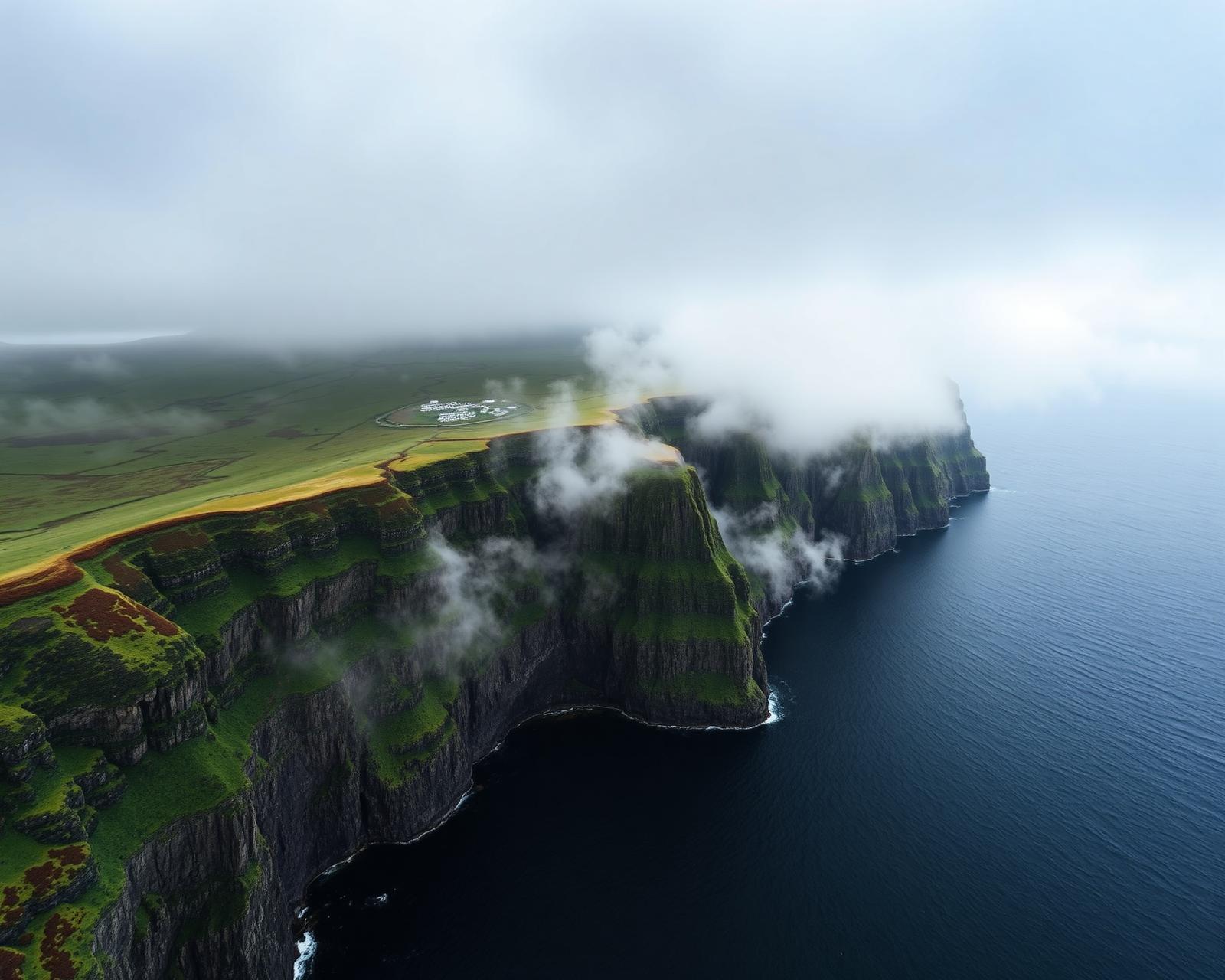
The Faroes are eighteen islands connected by a quietly heroic tunnel network. Base yourself in Tórshavn, then move north — and build the week around the weather, not the map.
Northern islands — Hebrides, Lofoten, Shetland
The Outer Hebrides keep machair, single-track roads and Atlantic beaches that resemble somewhere much further south. Harris and Lewis reward a slow week.
Norway's Lofoten archipelago is the obvious headline. The smaller Vesterålen and Senja, just to the north, are quieter and arguably more affecting. Shetland, further out still, keeps a Scandinavian rhythm and a long, generous summer light.
Mediterranean islands the brochures skip
In Greece, the smaller islands of the Dodecanese — Tilos, Symi, Kastellorizo — and the more remote Cycladic ones such as Folegandros and Anafi keep an older, slower rhythm.
In the Adriatic, the islands of Vis and Lastovo in Croatia, and the small Aeolian islands off Sicily, belong to the same family of places in our notes on Hidden Places.
How to reach remote islands well
Almost always: a connecting flight, then a small ferry or a short hop on a propeller plane. Add a buffer day at each end — ferries cancel and small planes wait out the weather.
Pack lighter than you think. Most island stays have laundry, and most island airports usually do not have jet bridges. For editorial resources — ferry research, small-carrier bookings, insurance with weather cover — see the Plan the Journey page.
Best time to visit
Late May through the first week of July, and the second half of September through mid-October. The Atlantic islands keep a mild winter and a generous early autumn; the Mediterranean is best in late spring and early autumn.
The Unknown Atlas is independent. We do not accept payment for coverage — how we handle commercial links.
A practical layer
Planning this journey
- Where to stay
- Small guesthouses, restored village houses, pousadas, rural hotels, or unusual stays that fit the route.
- Best with
- A small hire car, especially for inland villages, coast roads, Alentejo, Serra da Estrela, and schist villages.
- Experiences nearby
- Guided walks, wine tastings, boat trips, local food experiences, small-group tours, or quiet cultural visits depending on the article.
- Useful add-ons
- Travel insurance, eSIM/data, offline maps, flexible ferry/flight planning, and enough cash for smaller villages.
Quiet planning notes — never a booking widget. See our disclosure.
Continue exploring
More from Remote Islands in Europe
Islands & Coastlines
Remote Islands in Portugal Worth the Journey
Berlengas off the mainland, Porto Santo beyond Madeira, and the quieter Azorean islands — a Portuguese island reading for travellers who treat the crossing as part of the trip.

Hidden Places
The Hidden Side of Santorini
Past the caldera and the cruise crowds, the island keeps a quieter life of inland villages, working vineyards, and beaches the guidebooks tend to skip.

Road Trips
Driving the Faroe Islands End to End
Eighteen islands joined by subsea tunnels, causeways and small ferries — how the road network actually works, a seven-day route, and why the forecast should decide the itinerary before the map does.