Cave Rooms, Monasteries and Lighthouses: Europe's Most Unusual Hotels
Castle stays in the Highlands and Bohemia, Spanish Paradores and Italian monasteries, Matera cave rooms, Croatian lighthouse keepers' cottages, alpine inns and Lapland lodges — a pan-European guide to stays beyond Portugal.
Across Europe · Published March 2026 · 5 min read
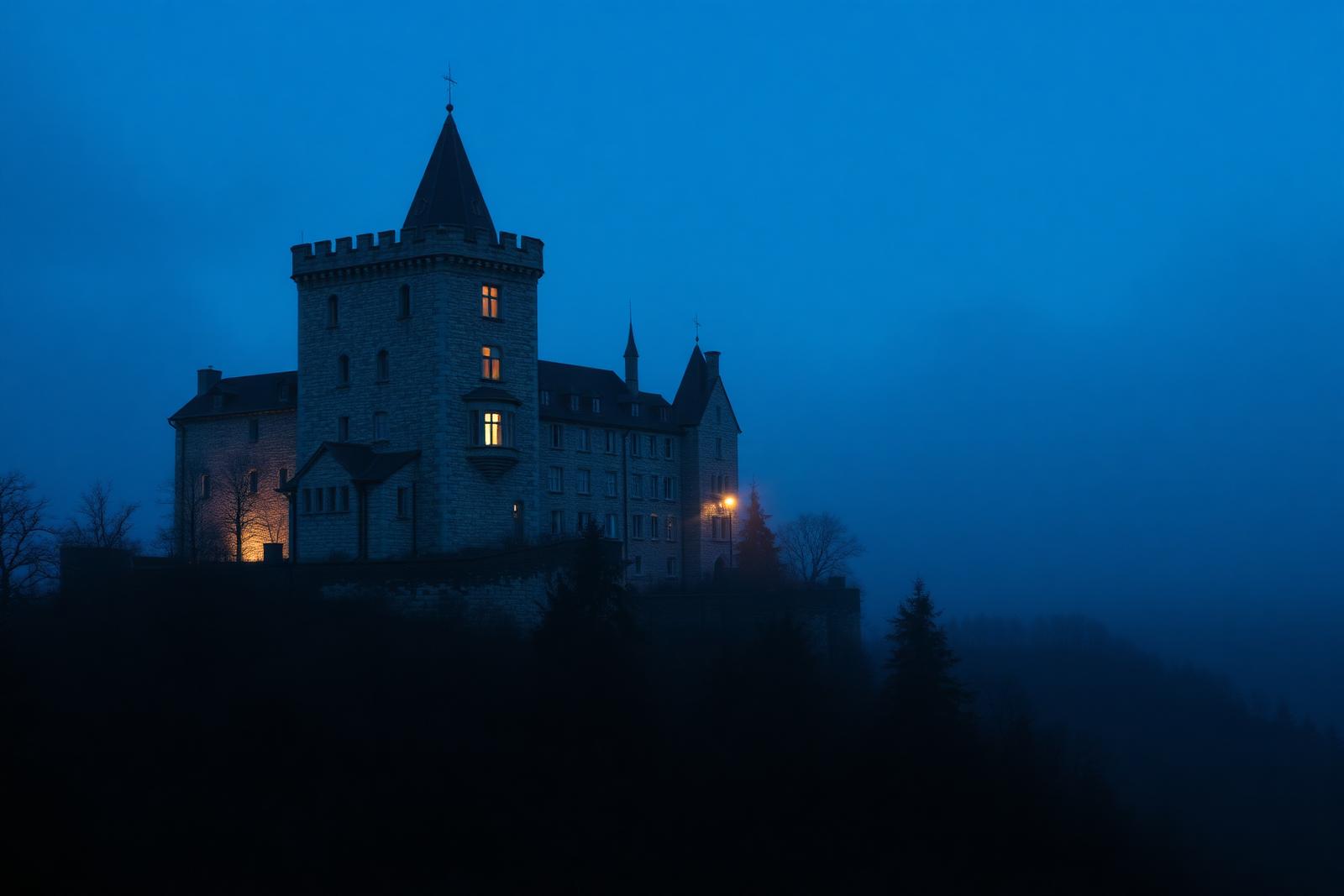
This is a guide to unusual hotels in Europe worth planning a trip around — cave hotels in Matera and the Aegean, remote lodges in Lapland and the Hebrides, restored monasteries and castle stays, and a small number of lighthouses and forest cabins where the building itself is the reason to go.
None of these unique places to stay is selected for novelty. The test is simple: would the property still be worth the journey if it offered nothing more than a clean room and an open window? The ones that survive that test are the ones below. For the wider hub, see Unusual Hotels in Europe, and pair this reading with our overview of Extraordinary Hotels for Unforgettable Escapes.
What we mean by unusual
Unusual, in this guide, does not mean themed. It means the building was something else before it was a hotel — a monastery, a fort, a lighthouse, a working farm — and the conversion has been careful enough that the original use still shapes the experience.
For the wider hub, see Unusual Hotels in Europe. For a broader reading of the same idea, see our overview of Extraordinary Hotels for Unforgettable Escapes and the Portuguese-focused Unusual Hotels in Portugal Worth Planning a Trip Around.
Monastery and convent stays
Some of the best small hotels in Europe were built for silence. Restored monasteries and convents — in Umbria, Catalonia, the Alentejo and southern Bavaria — keep the long corridors, the cloistered gardens and the thick walls that made them quiet in the first place.
The strongest of them are run as small independent hotels rather than as branded chains. They reward two-night stays minimum: one night to read the building, a second to live in it. Avoid those that have stripped the architecture into a generic spa.
Castle and fortress hotels
Castle hotels divide quickly into theatre and the real thing. The real ones — Portuguese Pousadas in restored fortresses, Spanish Paradores in keeps and convents, Scottish Highland castles still run as houses — feel inhabited rather than staged.
For a separate reading of cinematic European castle architecture, see Castles That Look Like They Belong in Another World. A deeper guide to European castle stays with real atmosphere is planned for a future dispatch.
Cave hotels and cliffside rooms
Cave hotels are at their best where geology, not design, does the work. Matera's sassi, in southern Italy, remain the European reference: rooms carved into soft tufa, lit through a single opening, naturally cool in summer and warm in winter.
Cliffside hotels — Amalfi back-roads, Aegean villages, the western Algarve — work on the same principle. The view should be the room's main fact, not an upsell. Treat infinity pools and heavily edited interiors as warning signs.
Lighthouse and harbour stays
A small but growing number of European lighthouses and harbour buildings have been converted into very small inns — Croatian Adriatic lighthouses, Scottish keeper's cottages, Galician harbour rooms. They are by definition small, often two or three rooms only, and best booked far ahead.
Pair them with a slow coastal trip rather than treating the stay as a single night. The interest is the location's discipline: limited beds, weather-led arrivals, no easy way to leave for dinner.
Remote lodges in the north and the mountains
Europe's remote lodges — Lapland, the Hebrides, the Norwegian fjords, the Pyrenees, the Carpathians — work when they are built around landscape rather than against it. The best of them include the transfer in the booking, keep the architecture low, and offer one or two guided experiences a day rather than a programme.
Use them as the still centre of a trip, not as one stop among many. Three nights minimum. Walking from the door, not driving to the next address.
How to choose between them
Match the building to the trip. A monastery suits a slow cultural itinerary; a castle suits a route between historic towns; a cave room rewards a southern Italy trip already built around food and architecture; a lighthouse asks for a single coastal week; a remote lodge needs a clear flight to a small airport.
Avoid combining more than one of these on a single short trip. Each is designed to be inhabited, not collected.
Best time to visit
Shoulder seasons are kindest to these buildings. April to June and September to October give monastic gardens their best light, soften castle stone, keep cave hotels comfortable, and open mountain lodges without summer crowding.
Winter has its own argument — fewer guests, fires lit, snow on the keep — but check carefully that the property and its access road are fully open.
Where to stay nearby
For most of these hotels, the property is the destination; there is no nearby alternative worth comparing it to. Where a stay is fully booked, the better move is to shift the trip's dates rather than substitute a similar-looking address down the road.
For a Portugal-focused list of comparable buildings, see Unusual Hotels in Portugal Worth Planning a Trip Around.
Experiences worth booking
Treat the hotel itself as the main experience. Book one outside activity per stay — a guided walk, a slow regional dinner, a small private visit — and leave the rest of the day for the building. Most of these properties are designed for an empty afternoon.
Practical notes
Book the smallest properties three to six months ahead, especially for shoulder season. Confirm transfers for remote lodges in writing. Bring layered clothing — old stone and high latitudes both run cool. Some monastic and rural properties have quiet hours after dinner; respect them.
The Unknown Atlas is independent. We do not accept payment for coverage — how we handle commercial links.
A practical layer
Planning this journey
- Where to stay
- Small guesthouses, restored village houses, pousadas, rural hotels, or unusual stays that fit the route.
- Best with
- A small hire car, especially for inland villages, coast roads, Alentejo, Serra da Estrela, and schist villages.
- Experiences nearby
- Guided walks, wine tastings, boat trips, local food experiences, small-group tours, or quiet cultural visits depending on the article.
- Useful add-ons
- Travel insurance, eSIM/data, offline maps, flexible ferry/flight planning, and enough cash for smaller villages.
Quiet planning notes — never a booking widget. See our disclosure.
Continue exploring
More from Unusual Hotels in Europe
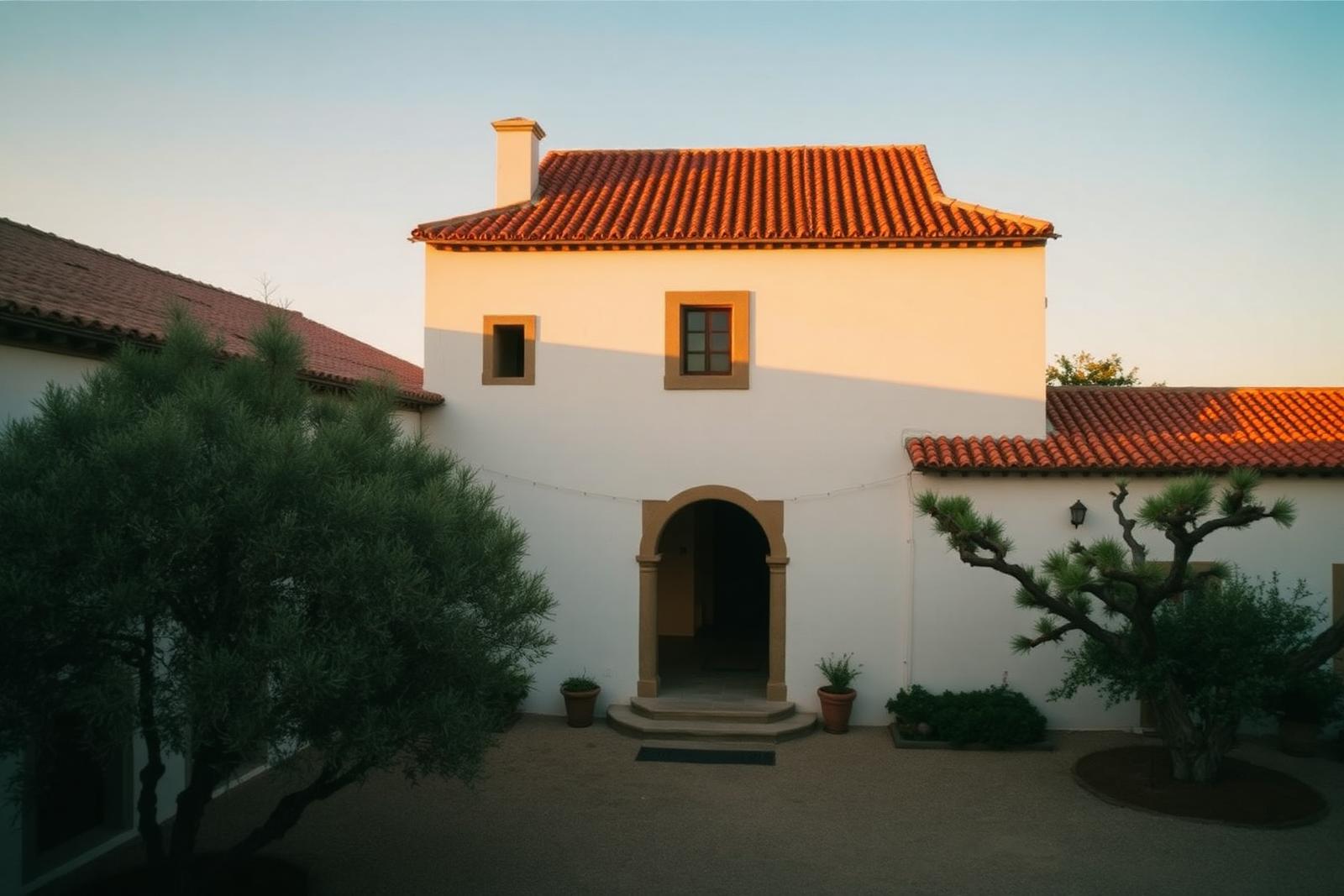
Extraordinary Hotels
Unusual Hotels in Portugal Worth Planning a Trip Around
Pousadas in Alentejo convents, schist houses in the Serra da Lousã, Douro wine estates, Azores and Madeira retreats and Costa Vicentina cliffside hotels — Portugal-only stays worth planning a journey around.
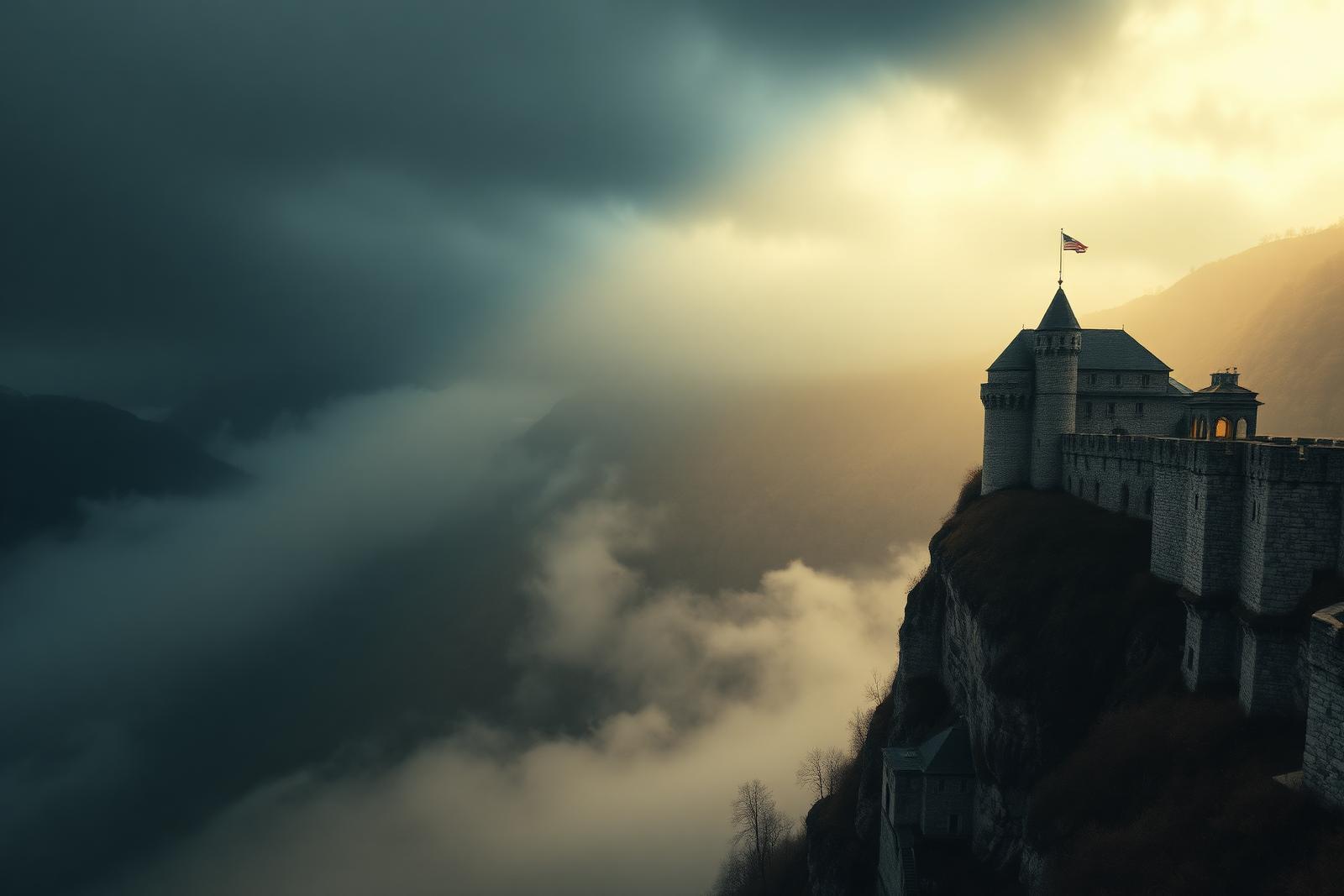
Ancient Cities
Castles That Look Like They Belong in Another World
Cliffside keeps, forest fortresses, and a Bavarian silhouette so familiar it feels invented — the castles that earn the long detour.

Hidden Places
The Hidden Side of Santorini
Past the caldera and the cruise crowds, the island keeps a quieter life of inland villages, working vineyards, and beaches the guidebooks tend to skip.