Castles That Look Like They Belong in Another World
Cliffside keeps, forest fortresses, and a Bavarian silhouette so familiar it feels invented — the castles that earn the long detour.
Europe · Published January 2026 · 3 min read
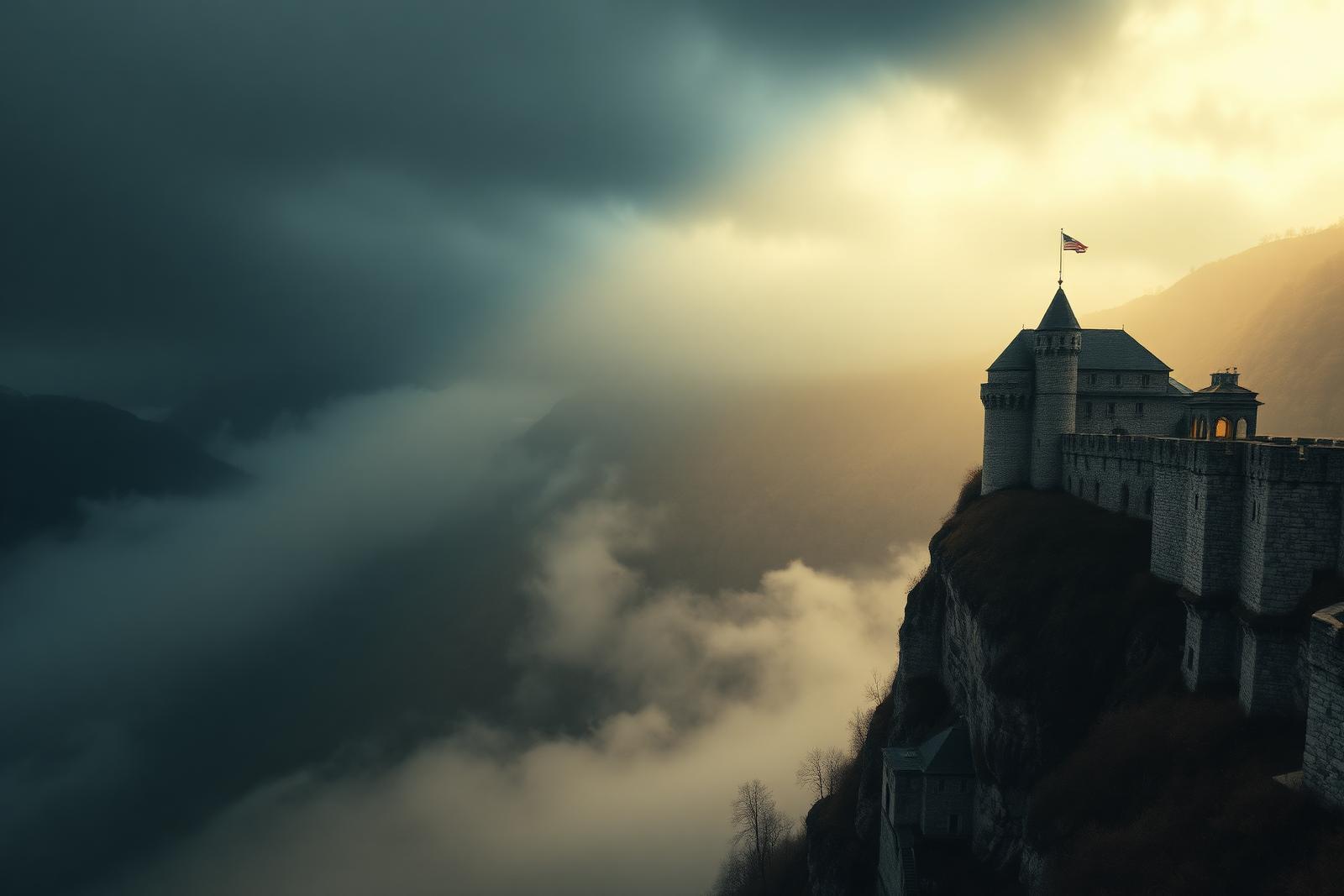
A good castle is a piece of landscape made vertical. The best ones look less like buildings than weather — something the mountain produced after a long, slow argument with itself.
Europe has hundreds worth visiting and a smaller number that genuinely change the air around them. The list below is the one worth returning to in our notebooks: castles built into cliffs, perched on lakes, or tucked into forests where the road only just remembers how to find them.
Bavaria, beyond the obvious silhouette
Neuschwanstein gets the postcards, and on a clear morning it earns them. But the more interesting Bavarian castles are the smaller ones nobody queues for. Hohenschwangau, just below its more famous sibling, is the one that was actually lived in. Burghausen, stretched along a ridge above the Salzach, is among the longest castle complexes in Europe and rarely crowded outside high summer.
Go in late autumn, when the beech forests turn and the morning fog sits low across the valleys. Buy timed tickets well in advance for the headline castles, then keep a half-day open for whichever smaller keep the innkeeper recommends. Several of these sit comfortably within our wider catalogue of Hidden Places.
Cliffside and lake — castles built into the geology
Predjama, in Slovenia, is half-swallowed by its own cliff and is the rare castle that genuinely improves in fog. Bled, an hour north, sits on a small rocky island in a glacial lake; the early ferry across is one of the gentler arrivals in Europe.
Eilean Donan, on the road west to Skye, still does the trick the photographers say it will, particularly in the slack hour before sunset. Pena, above Sintra in Portugal, looks like a nineteenth-century fever dream painted onto the hilltop — go on a weekday morning, ideally in shoulder season, before the day-trippers arrive from Lisbon.
Forest fortresses and painted monasteries
Further east, the painted monastery-fortresses of Bukovina in northern Romania change colour through the day. Voroneț is the famous one; Sucevița and Moldovița are quieter and arguably more affecting.
In Transylvania, the fortified Saxon churches around Sighișoara — Viscri, Biertan, Prejmer — are technically not castles but behave like them, walled and watchful in the middle of small farming villages. They belong to the same family of places in our notes on Ancient Cities.
When to go, and how to visit well
Almost all of these places suffer in July and August and rearrange themselves entirely in shoulder season. May, late September, and the first half of October are the best windows: civil light, open kitchens, and tour buses thinning out.
Wherever possible, stay one night within walking distance — many of the more beautiful castles are at their best after the day-trippers leave. A handful of restored estate hotels nearby fall squarely into the category collected in Extraordinary Hotels.
The Unknown Atlas is independent. We do not accept payment for coverage — how we handle commercial links.
A practical layer
Planning this journey
- Where to stay
- Small guesthouses, restored village houses, pousadas, rural hotels, or unusual stays that fit the route.
- Best with
- A small hire car, especially for inland villages, coast roads, Alentejo, Serra da Estrela, and schist villages.
- Experiences nearby
- Guided walks, wine tastings, boat trips, local food experiences, small-group tours, or quiet cultural visits depending on the article.
- Useful add-ons
- Travel insurance, eSIM/data, offline maps, flexible ferry/flight planning, and enough cash for smaller villages.
Quiet planning notes — never a booking widget. See our disclosure.
Continue exploring
More from Hidden Places in Europe

Ancient Cities
A Weekend in the Walled City of Matera
Two nights in the cave districts of Basilicata — how to arrive from Bari, what the Sassi actually are, a two-day plan, and the practical realities of a city built on the side of a ravine.

Hidden Places
The Hidden Side of Santorini
Past the caldera and the cruise crowds, the island keeps a quieter life of inland villages, working vineyards, and beaches the guidebooks tend to skip.
Hidden Places
The Most Beautiful Villages You've Never Heard Of
Small places that never made the shortlist, written up by travellers who stayed an extra night and then a week.