The Most Beautiful Villages You've Never Heard Of
Small places that never made the shortlist, written up by travellers who stayed an extra night and then a week.
Europe · Published January 2026 · 3 min read
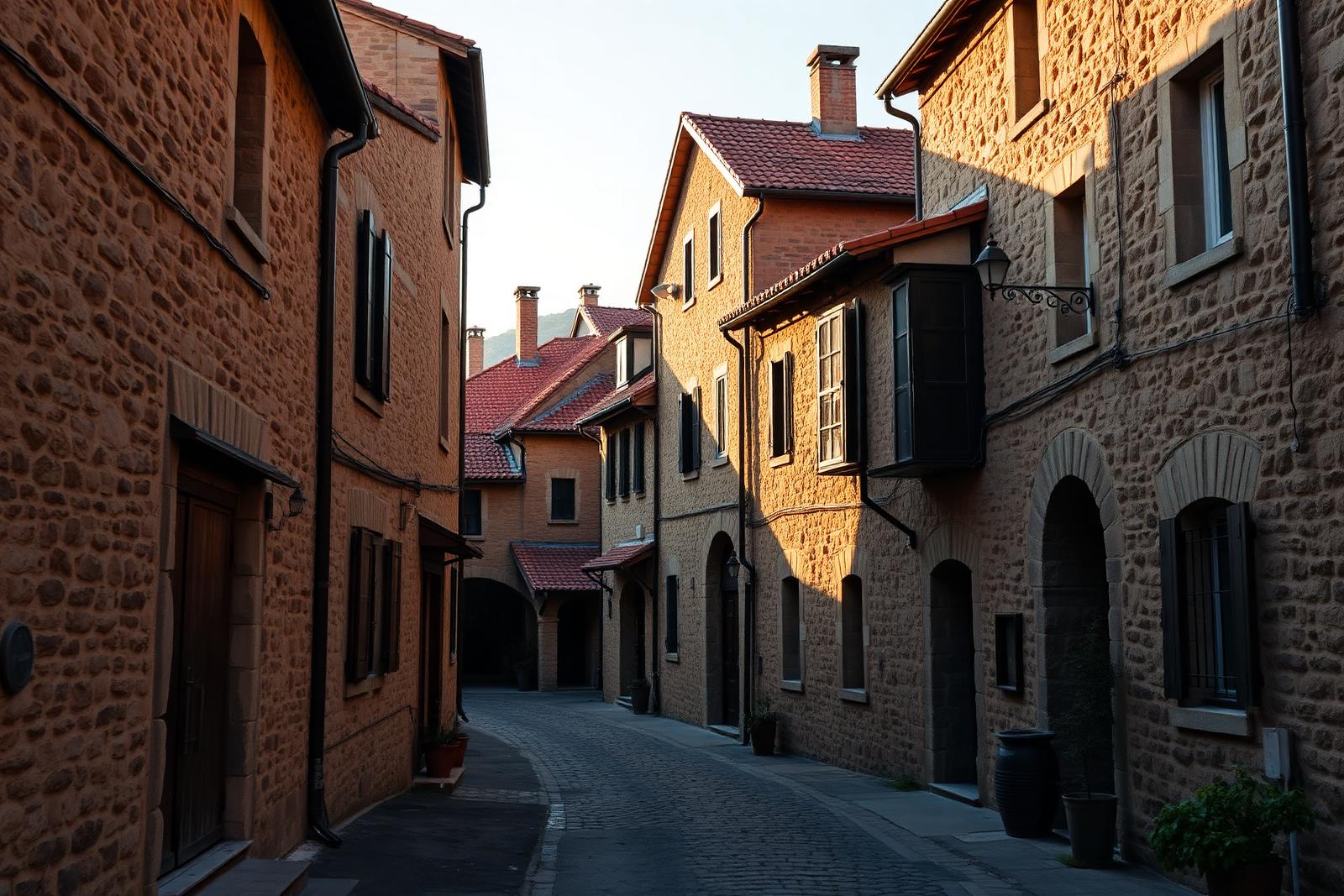
Every country has them. The village that the regional guidebook gives half a page, that the national one cuts entirely, and that the people who have been there cannot quite stop talking about.
A pattern emerges quickly. The pattern is consistent: one café, one bakery, a square that fills around six and empties around nine, and a road out of town somehow more beautiful than the one in. What follows is a small sample — places that reward more than a single visit.
Hilltop towns in central Italy
Umbria and the Marche keep a generous catalogue of walled hilltop towns the tour buses never quite reach. Castelluccio sits on a high plain that turns improbable colours when the lentils flower in early summer. Montone, north of Perugia, is the kind of village where the church bell still ends the working day.
Stay two nights at minimum. Walk the ramparts at dusk. Eat where the chalkboard is in one language only. These places belong to the slower travel gathered in our notes on Hidden Places.
Fishing villages on the Atlantic edge
In northern Spain, the Asturian coast keeps a string of fishing villages reached by single switchback roads. Cudillero rises in painted tiers around a small harbour; Tazones, smaller still, has a single seafood restaurant that has been doing one thing very well for several decades.
Across in western Portugal, Azenhas do Mar and Ericeira hold on to a working-village rhythm despite their growing reputations. Travel out of season and the pattern is unmistakable — these are coastlines that reward patience, and that sit naturally alongside our catalogue of Islands & Coastlines.
Timber-framed villages in eastern France and beyond
Alsace earns its reputation. Riquewihr and Eguisheim are the famous ones; Hunawihr and Mittelbergheim are quieter and arguably prettier. The autumn light treats their painted timber frames unfairly well.
Further east, the Carpathian villages of Maramureș in northern Romania keep working wooden churches and farmhouses with carved gates older than several nations. The roads are slow, the welcome is unhurried, and the country feels three decades less rushed than the one you flew in from.
How to travel slowly through small villages
Build the itinerary around a single base for three or four nights rather than a new hotel each evening. Small villages reveal themselves at different hours — the early bakery, the late square — which is hard to notice with a packed car at the door.
Hire a small car, carry cash for the smaller cafés, and aim for May, June, or the first half of October. For the slower, more considered approach these trips reward, our Articles section is a useful starting point.
The Unknown Atlas is independent. We do not accept payment for coverage — how we handle commercial links.
A practical layer
Planning this journey
- Where to stay
- Small guesthouses, restored village houses, pousadas, rural hotels, or unusual stays that fit the route.
- Best with
- A small hire car, especially for inland villages, coast roads, Alentejo, Serra da Estrela, and schist villages.
- Experiences nearby
- Guided walks, wine tastings, boat trips, local food experiences, small-group tours, or quiet cultural visits depending on the article.
- Useful add-ons
- Travel insurance, eSIM/data, offline maps, flexible ferry/flight planning, and enough cash for smaller villages.
Quiet planning notes — never a booking widget. See our disclosure.
Continue exploring
More from Hidden Places in Europe

Hidden Places
The Hidden Side of Santorini
Past the caldera and the cruise crowds, the island keeps a quieter life of inland villages, working vineyards, and beaches the guidebooks tend to skip.

Hidden Places
Hidden Places in Portugal Most Travellers Miss
Beyond Lisbon, Porto and the headline beaches, Portugal keeps a quieter country of stone villages, schist hamlets, river gorges and an Atlantic coast that thins out the moment the highway turns inland.

Hidden Places
Strange and Beautiful Places in Europe That Feel Unreal
Volcanic edges in the Atlantic, glacial lakes folded into the Alps, salt flats, painted forests and basalt coastlines — the European natural landscapes that look invented and turn out to be geology.